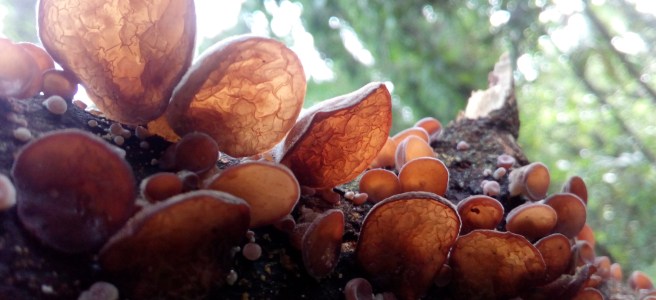
After my life got entangled with the world of fungi, I gradually started to view these intricate organisms in a very different light. Fungi create an interesting bond between LIFE and DEATH. It almost feels spiritual! But the embodied truth here is unequivocal. As glorious as life may be, without these decisive links in nature, the oh-so-important life won’t find its way back to decay, and nor will new life emerge over their sacrifice. Mushrooms are a part of this regenerative fungal department in nature if not the most important.
Up until I studied “Basidiomycota” for my advanced level biology and learned in detail about the crisscross of the mycelium and its complex biology, a mushroom for me was just a pretty highlight in nature. I’ve never felt so connected with its magic until I started my undergraduate research project which had me surrounded by them (literally) almost every hour of every day. Generally, we can say that mushrooms call the wilderness their home, but precisely, they grow on any organic matter that is dead or decaying (saprotrophic is the scientific term). My objective for the research was to try and see if they could be grown on an artificial alternative substrate (away from their natural habitats). I tried this with four selected wild mushrooms (some of which I collected from my home garden) and fortunately, they all worked and the attempt was a success!
So what is the need for domesticating mushrooms from the wild? It’s simply because we consume them; and why not?As a source of food, mushrooms maintain an irrefutable reputation for being highly nutritious, protein-rich and uniquely delicious. Also, with their rich antioxidant nature and the presence of many health-promoting compounds, mushrooms are a panacea for a wide range of disease conditions. May it be for food or medicinal purposes it’s always a wise choice to have them nearby in cultivation (thereby in the supermarket) rather than having to go foraging every time you feel like having mushroom soup!
My country, Sri Lanka, is extremely rich in biodiversity and the biodiversity of edible mushrooms here is no exception. Unfortunately, this valuable knowledge is pretty much hidden within the indigenous communities or village communities of the country. We have lots of delicious edible varieties but a majority of the people have very limited access to this goodness. Only a handful of well-commercialized varieties make the cut into our everyday diets. So, this is where “mushroom cultivation” comes into play. This is how we can avail ourselves of this knowledge and reap the benefits off of these delicious mushrooms by trying to commercialize them through domestication.
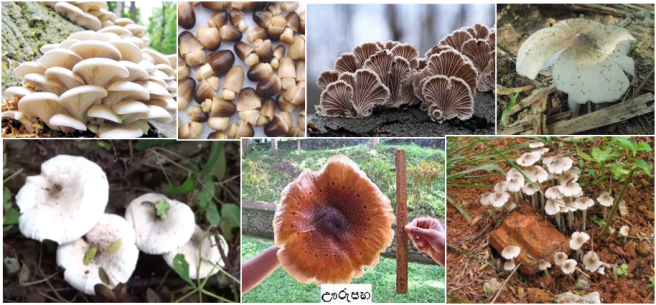
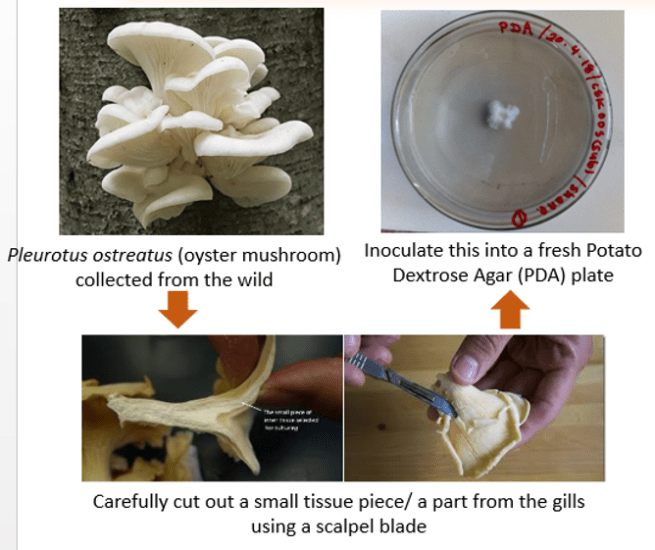
If we skim through the cultivation process, the first thing to be done is to collect a known edible mushroom from the wild and to culture it in an artificial growth medium (A general purpose medium to culture any fungus is Potato Dextrose Agar) to establish a pure mushroom culture. The next important step would be to find an optimum spawn medium on which this mushroom strain can be grown successfully. “Spawn” is an intermediate nutritious substrate (like grains, straw, sawdust and paper) on which our isolated mushroom strain can be grown. After the particles of this spawn medium (Eg: grains) are fully colonized by the mycelium, this medium can be used as a middle man to transfer our mushroom culture into the main growth substrate. Spawn is also rightfully known as “mushroom seeds” as it is through this that the mushroom mycelium is newly propagated into a new medium, just like how seeds do for plants.
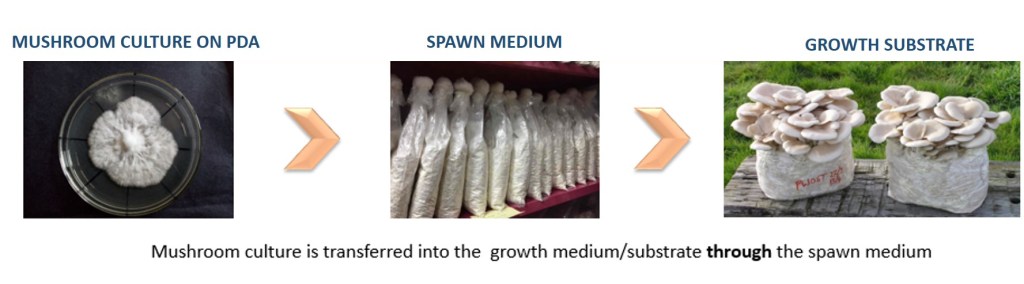
The next crucial step is to optimize a suitable growth medium/substrate that can generate the highest yield of mushrooms from the lowest amount of substrates for our selected shroom strain. Different kinds of organic lignocellulose-rich waste matter generated through agricultural practices (Eg: saw dust, rice hull, corn cobs, paddy straw, wood chips, coir) can be effectively utilized in Sri Lanka as growth substrates for mushroom cultivation. It is also imperative that the domesticated mushroom is accurately identified up to the strain level using genetic methods (this is called DNA barcoding) before commercializing and introducing it to the market, to ensure good manufacturing practices.
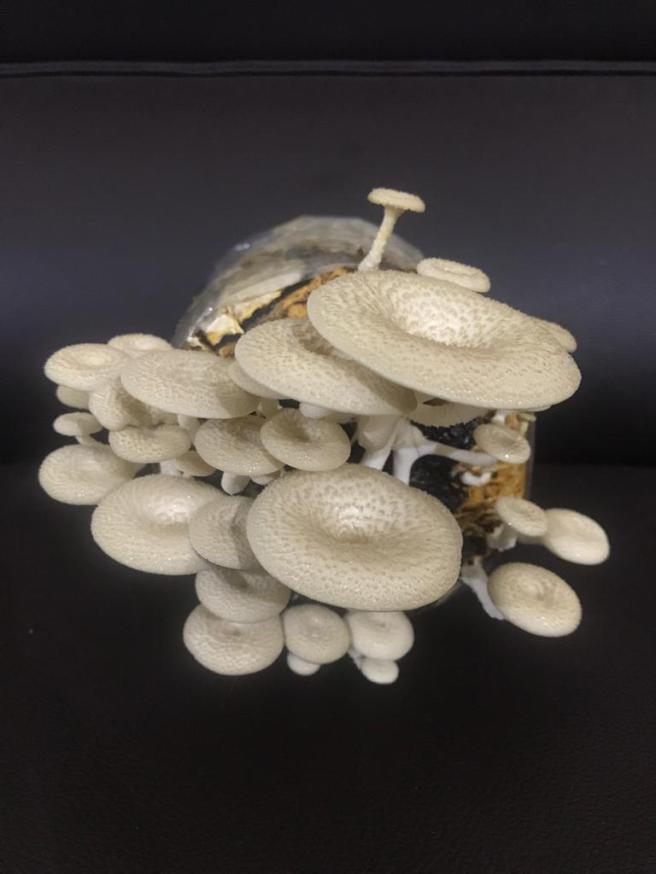
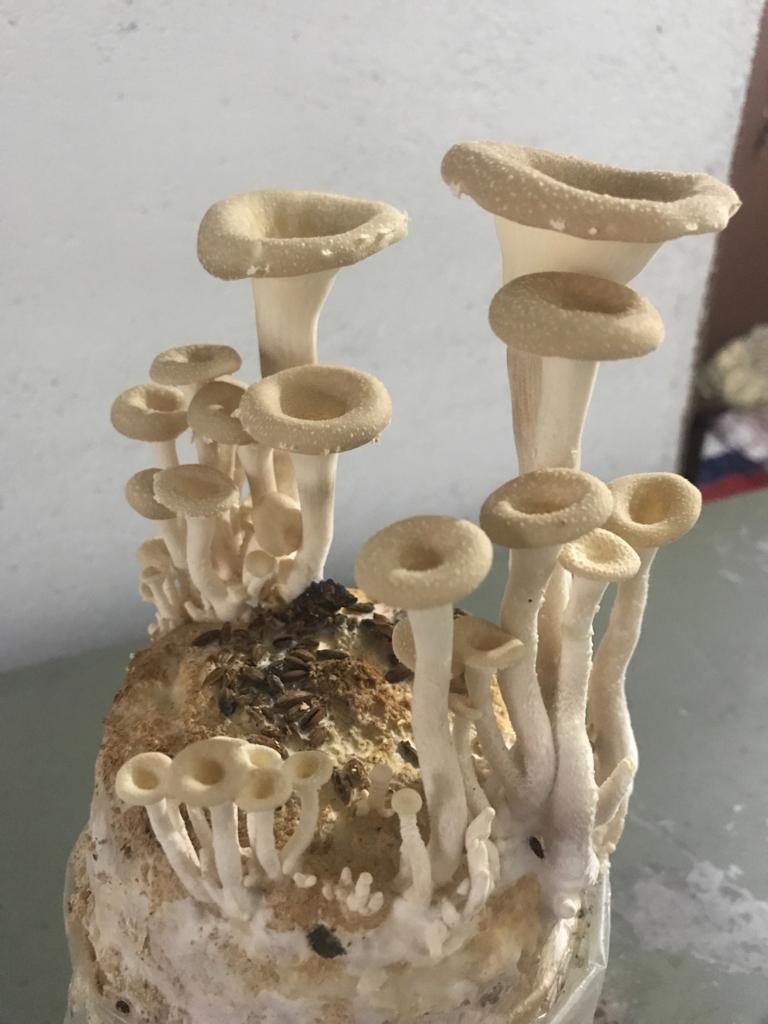
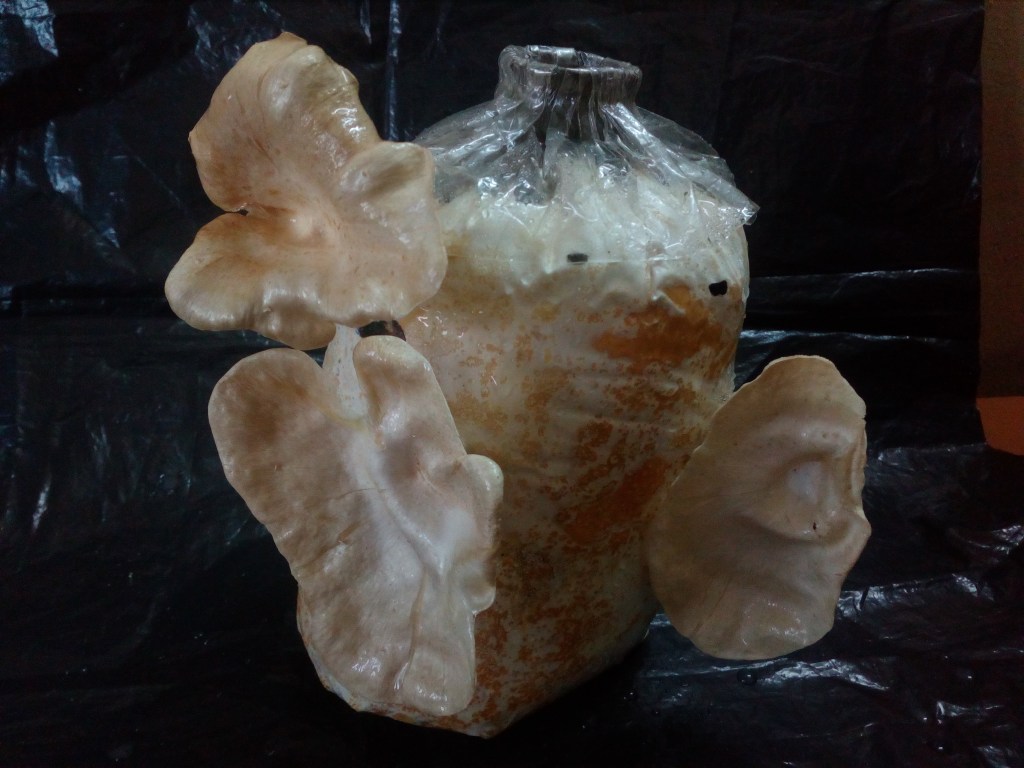
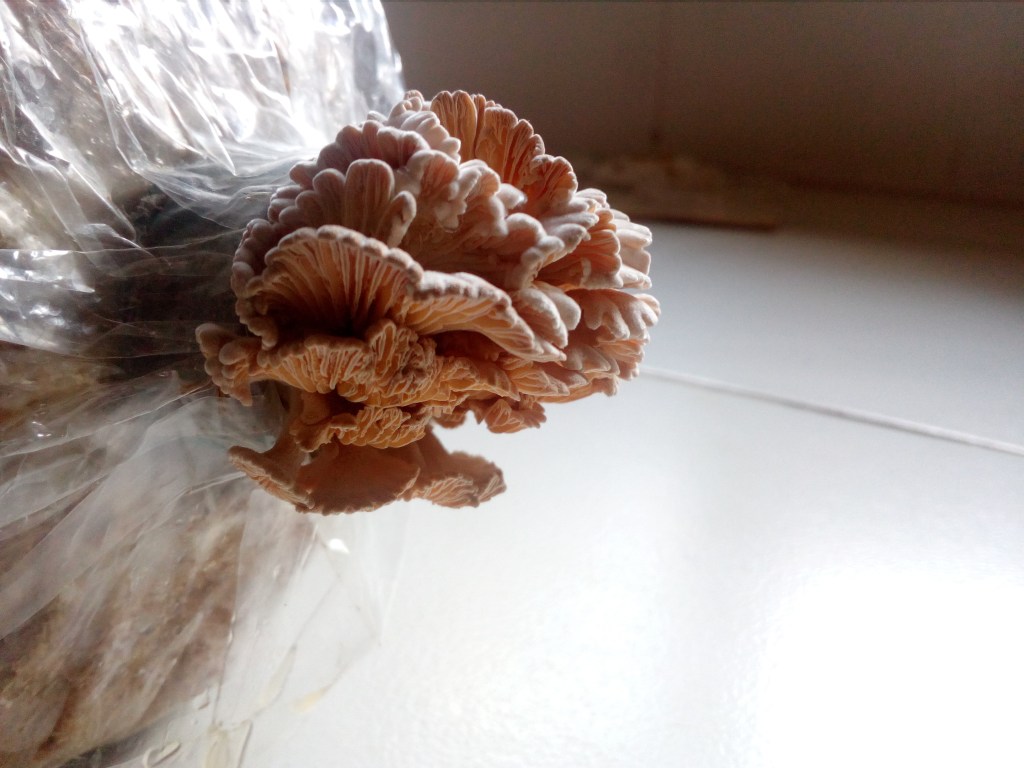
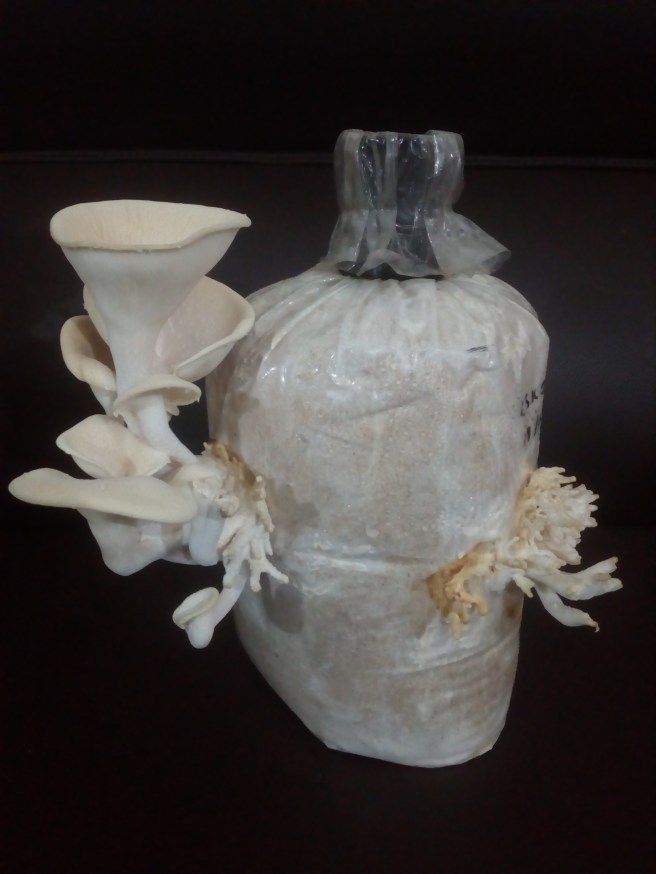
But it is unwise to commercialize a domesticated mushroom just because it’s edible or because it can be optimally cultivated. First, it must be ensured that the flavor, texture, and the other organoleptic properties of it are appealing to the general public. Sometimes a slight shift in the nature of the mushroom diet may throw the consumers off. If the mushroom is delicious, edible and all is well, next it can be progressed onto pitot scale small test cultivations and scale up from there gradually before entering into fully-fledged large scale cultivation of the newly domesticated mushroom variety.
At the end of the day, a once hidden, delicious mushroom from the wild that was previously unknown to the world could be rightfully exposed to the consumers through this process, which I can assure you is fun depending on how far you are in the process of being a MYCOPHILE! Ultimately, a once-hidden delicious wild mushroom would have successfully journeyed from the forest to the market. With lots of its hidden wonders, the mycelial world and the fabulous shrooms in it are always MyCuppaTea!

 MyCuppaTea
First sentence, a bias claim; whole story, an expository narrative.
LikeLiked by 1 person