Seasonal wild-garlic – a forager’s delight in Göttingen spring time

Outdoors in Göttingen, Germany, is absolutely beautiful, especially in spring. Whether you turn your head toward the forest patch in the south city, the Kiessee, or the Leine river, all of which lie near my latest flat share, the scenery is stunning. Almost two years in this city is too long not to have experienced its local activities. Luckily, last spring, I had the chance to witness one firsthand, courtesy of my three new flatmates who took me along on their annual wild garlic hunt.

Spring in Göttingen isn’t complete without the forest floors getting thickly carpeted with the Allium ursinum, otherwise known as ramsons, ramps, wild-garlic, or ‘Bärlauch’ (bear’s leek) in German, named aptly in commensurate with bears’ fondness for its bulbs and leaves, from what I read. The bear’s leek fascination, followed by the asparagus craze and berry season, is another item to be added to the list of German seasonal food manias I witnessed this year. This one occurs around March and April. The interest in wild garlic is not limited to just foraging in your local neighborhoods. In  Germany and other parts of the world, people celebrate the wild garlic season with festivals and days dedicated to this interesting herb, the grandest of which occurs in the German town called Eberbach in Baden-Wurttemberg.
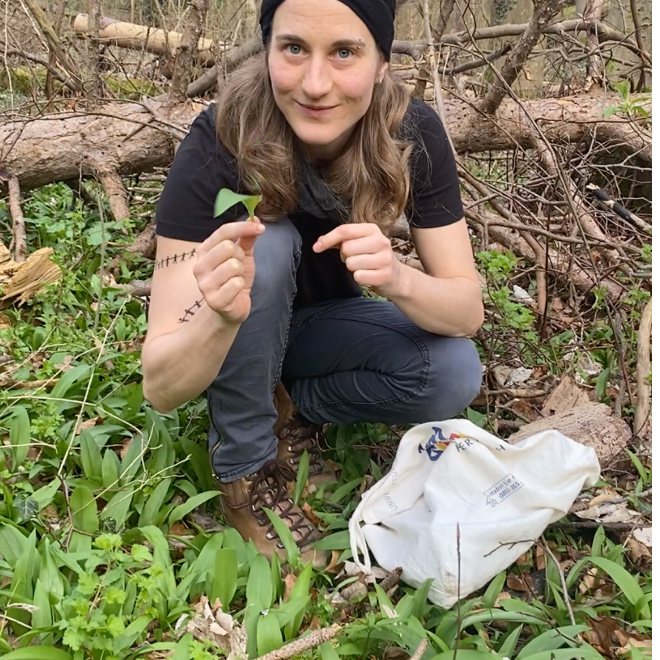
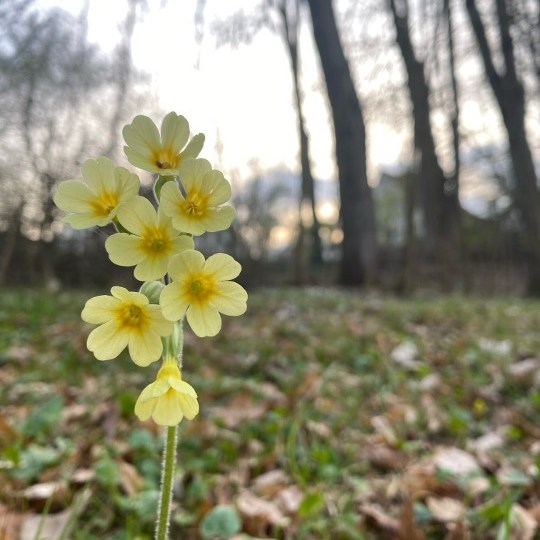
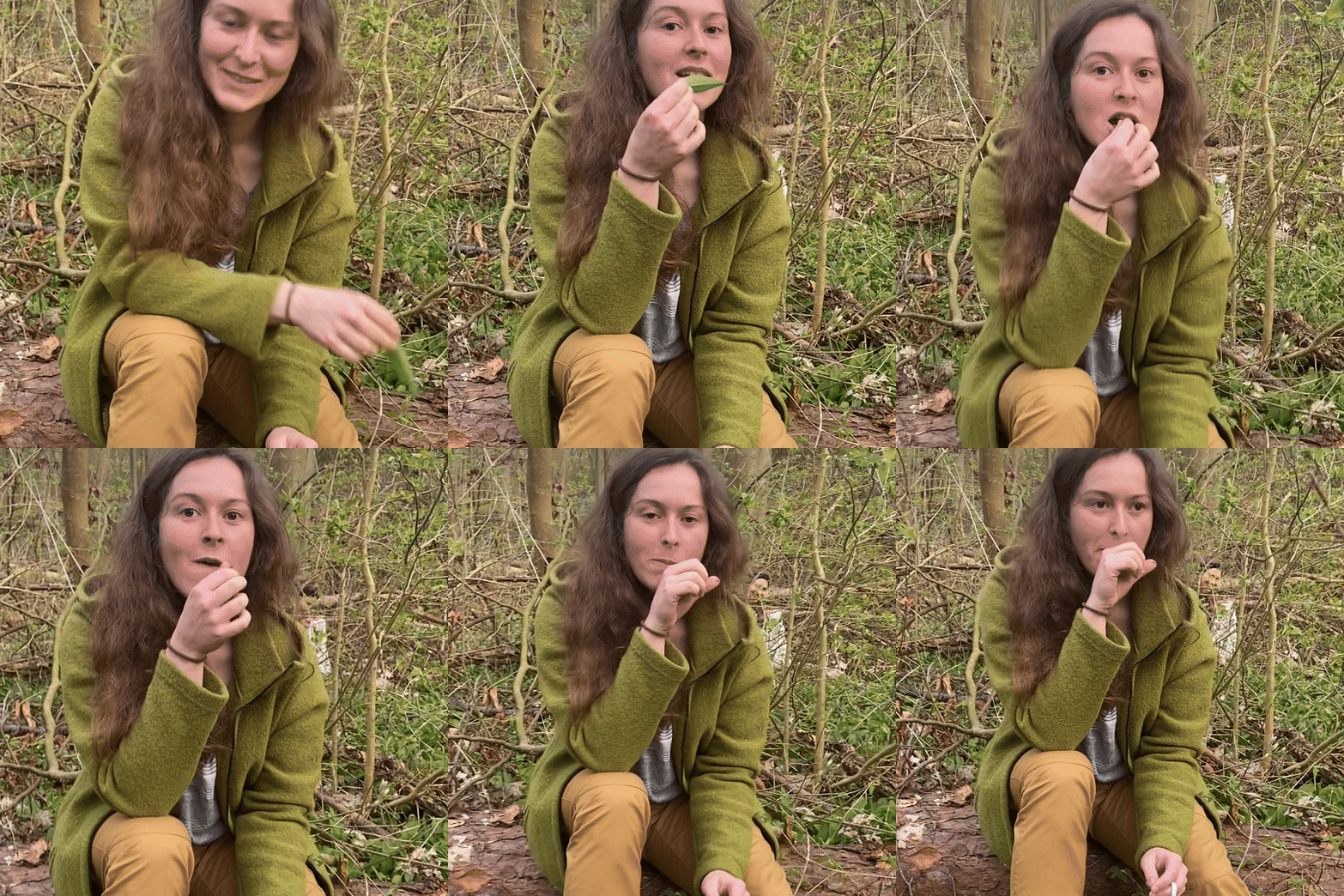
First photo: Silva is teaching me how to identify wild-garlic in the forest. Second photo: Totally unrelated flower I encountered on the journey: one of the two flowers in Göttingen forests (Primula veris) that Lea warned me not to pick because they are protected. Third photo: Alex is being practical with the edibility of the wild garlic

Placed in the botanical family of Amaryllidaceae, wild garlic is a spring herb that grows up to a height of about 50 cm. Aboveground, the plant develops 2-3 elliptic-lanceolate leaves, and the leaf bases are modified into bulbs (like onion), residing underneath the soil. Wild garlic prefers damp, nutritious, but well-drained soils in shaded localities. All the hype about this delicate forest dweller is accounted for its distinct garlic-like smell and taste. Its edibility makes this herb a favorite seasonal culinary choice in the European region, featured in gourmet recipes for garlic lovers. For example, the leaves can be used in salads, soups, and garlic-butter, and the bulbs can be used like garlic itself. The leaves are said to add flavor to some cheese varieties like ‘Cornish yarg’ cheese. Another interesting fact I stumbled upon is how garlic-flavored butter is made from the milk originating from the cows that were fed on wild garlic in 19th century Switzerland! However, my ultimate favorite option, that inspired me to write this account, is nothing but wild garlic PESTO!

Lea is explaining why wild garlic is so interesting

There’s a catch though. Wild garlic tend to be mixed up with another close relative of the herb, which happens to be toxic, thus inviting the wild garlic enthusiasts to be a bit conscious and wary with the picking. This toxic doppelganger, Lily of the Valley (Convallaria majalis), despite the bad reputation, is well known for its beautiful, fragrant, pendant, bell-shaped, white flowers, which aren’t that useful with the distinction so early in the spring when they aren’t yet in bloom. Therefore, a few additional features of the two herbs can aid you in picking the correct one and staying alive! Luckily, as biodiversity students, a massive collective knowledge of local plant biodiversity is shared among the three of my flat mates, and their enthusiasm for its practical application meant I had nothing to worry about.

As they pointed out, the strong garlic smell when the leaves are crushed between your fingers is the most obvious giveaway apart from the other foliar differences. The wild garlic leaves that are petiolate, always exist singly on their stems while the sessile leaves of lily of the valley always appear in twos. Surely, it’s easier to distinguish the two later in the season, toward May and June, when the flower stems emerge, with the wild garlic bearing a spherical head of white, star-shaped flowers. But, to use it in your dishes, the picking needs to be carried out early in the season when it’s rich in flavour before they flower. Because once they are in bloom, they wouldn’t taste as strong and would tend to be fibrous and bitter. Care should be taken to not dig out the bulbs from the ground, as the bulbs should ideally remain in the forest floor to produce leaves in the next season.
Pasta and Pesto!!!

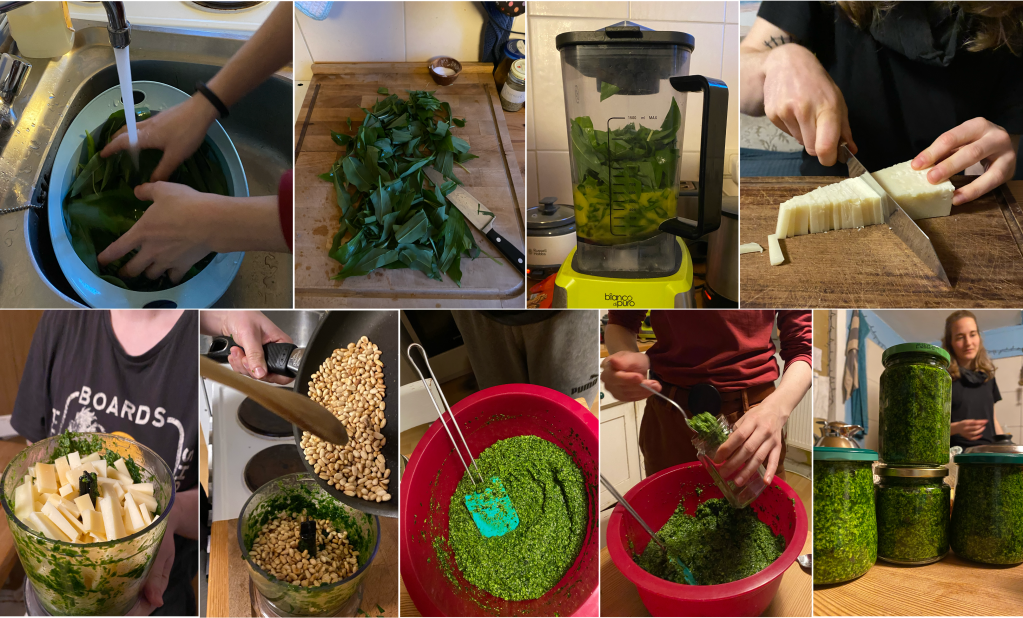
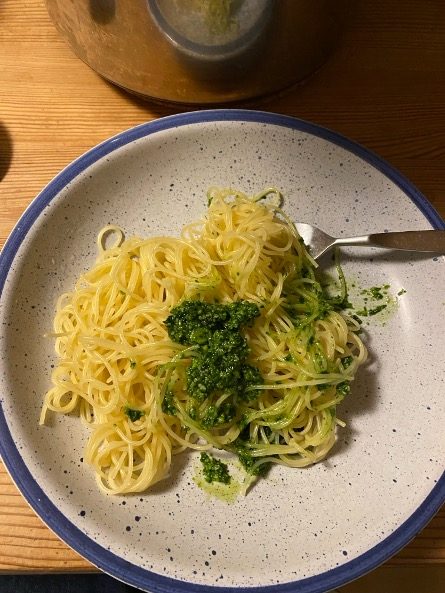
After picking a few bags full of leaves and a lovely walk back to the apartment at sunset, it was finally time to make the wild-garlic pesto!! After washing and drying the leaves, we blended it all with loads of olive oil, cheese, and roasted pine nuts to make the pesto. Then it was ready to be stored away in jars to be used in the months to come. Of course, we didn’t forget to top off the day with a lovely, well-earned dinner of spaghetti with homemade fresh wild-garlic pesto, made with the leaves collected from our very own neighbourhood.

Needless to say, it tasted awesome, and our wild-garlic pesto batch lasted for about two months. Fun and insightful flat share activities with strong ties to nature, experienced with people who are purely passionate about what they learn are totally MyCuppaTea!!


But can you brave what you most fear? I really think you can.

Me, looking around with the St.Martin’s Cathedral (Netherlands) towering behind me. Beautifully captured by Eki.

I am a shy person. No, I should probably be honest with myself here. I am a person that is too afraid, by nature. What am I afraid of? People. Social situations. Interpersonal interactions. That is probably why you’re finding this out in writing as opposed to in a video blog. What caused these fears? I have one major guess. The FEAR of what others might think about what you do, how you behave, how you talk, what you think!! This also includes overly seeking validation from others for what you do. Is this particular mindset a valid excuse to develop a sociophobic situation? My answer: No. How do I know this? Because I decided to brave these exact fears head-on and it worked.

Traveling places alone, living on my own, going to public places for miscellaneous tasks, expressing yourself verbally, confidently, are usually some trivial day-to-day activities for most. But, in my case, it’s not. These are usually well-executed missions with meticulous schemes, planned out well ahead in time, after factoring in all of the possible scenarios so that there’s absolutely no room for any error or embarrassment. Why? Because for some reason, it’s not just about me. For some reason, I believed that the bystanders who witness my actions, or the people that are even remotely involved with what I do, really give a damn about me. The truth is, they don’t even care about you. 

If you go a few thousand miles up into the sky and look down you’d see yourself as a mere tiny black dot, lost among seven billion other buzzing black dots. Seven billion other black dots with seven zillion other worries packed inside each of these black dots, that they don’t probably have enough headspace or time to be critical about what you wore on this particular day at this particular time, or what you decided to do with your life two years ago. The other seven billion worry-filled black dots wouldn’t give a shit about the way you looked or what you did in a mere passing second in a timeless cosmos. Then, if you go even beyond, move past all the atmospheric layers, and look down through the clouds, oh oh what do you see? You are simply nothing, some invisible speck of dust. So, why worry really? Truly, there’s no need to fear ANYTHING in life. You simply have to do what you do, go places, meet people, talk to people, buy groceries and simply just live your life however the hell you want. Because, temporally and spatially, we are simply nothing compared with the ever entangled vastness around us. Once you gain this perspective and realise this simple truth, you’re fine and you don’t have to fear anything, like ever.

Some excellent advice from Queen Iduna to baby Elsa and baby Anna!! (Frozen 2)

Once you realise this, what do you do? You put it into action. Do all the things that you have always feared to do. I had the perfect opportunity to do this recently when I boldly decided to move to Europe for my higher studies. A very wise decision, I would say, as currently, it is giving me numerous chances to do things, simple things that I would usually fear, that I never had the guts to do on my own. For example, taking a long flight all alone, being chatty and social (coz I’m an introvert who usually keeps to myself), trying to get the hang of living by yourself, trying to limit your dependency on others, which, ironically, requires lots of interactions with the external world. I think I have never been so satisfied with myself and my life as I am being at the moment. It is like unlocking some hidden levels or talents that I never previously knew existed. This massive freshness in your outlook of the world, is, to my belief, the reward you get for deciding to face your fears. No matter how daunting it feels initially, taking baby steps with utter determination is what matters.

So, I still don’t know how this journey would turn out to be. But I am hopeful that it would turn me into the best version of myself. So, if you are still having second thoughts about getting out there, please don’t. Just at least try for it, try to do something and the doors would open up for you. I haven’t figured everything out yet, but what I can say, for the moment, is that at least I am there, I am on my way. So, just go for it and MAKE A DECISION to brave what you fear the most, even if it is not your CuppaTea.

Who built this nest? A glance at a weird mushroom-Bird’s Nest Fungi

Here is another mushroom story! Interestingly enough, this one is about a rather peculiar kind of mushroom; the “Bird’s nest fungus”. I had already heard of this mushroom (or read about it somewhere) by the time I  was learning different forms of mushrooms for my “Microbial Life” course practicals in the second year at university. It was really around that time that I developed a curiosity and amazement toward how diversely formed mushrooms are. I remember seeing charismatic earthstars, phallic stinkhorns, squishy jelly fungi, and weird puffballs during that lab class and thinking “ Whoah, how weird can a mushroom be”. After that lab, it became my habit to deliberately examine the diversity and individuality of each mushroom that I come across.  It also became my habit to photograph the mushrooms that I find in my backyard, and also to go hunting for them whenever the climate is right (I am truly blessed to have had a comparatively large unmodified backyard at my house, still preserved in its natural ecological state, within the rapidly urbanizing village where I live). 

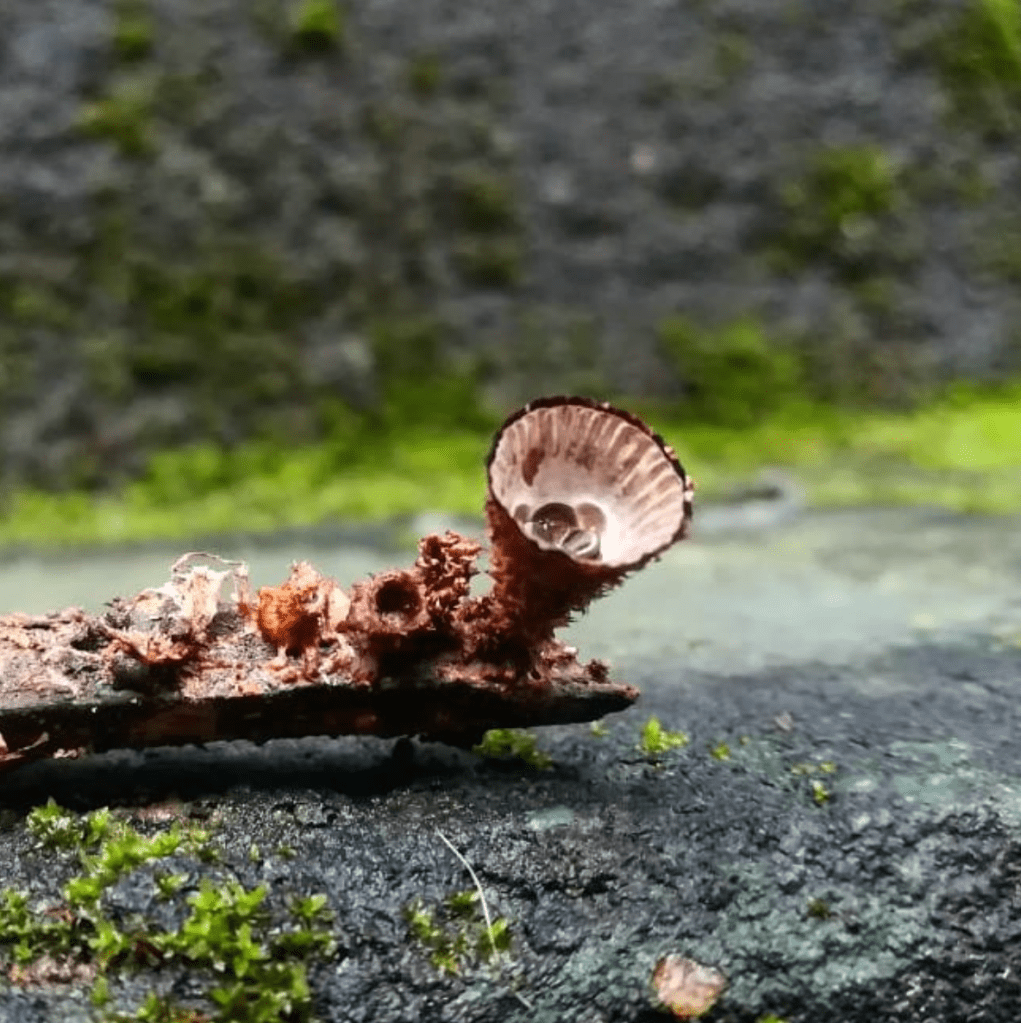
Anyhow, one day, while I was mushroom hunting in my backyard, ever so randomly, I came across just a single bird’s nest mushroom, hidden in the leaf litter, lodged onto a tiny twig for its dear life. This find was surely serendipitous since it’s almost impossible to detect something that small, the way I did at that moment. It’s the first time that I’ve seen a bird’s nest fungus in the wild, and the truth be told, I wasn’t even aware at the time that this mushroom was in Sri Lanka. Those days, I was engaged in my undergraduate research, which involved culturing lots and lots  of mushrooms. So I tried my best to make a culture of it but unfortunately, nothing grew on my culture plates!

A lone survivor! The first bird’s nest that I encountered. Almost all of the peridioles are splashed out. There are some structures resembling disintegrated fruiting bodies around it. Unfortunately, I haven’t placed a reference object but the green stuff around it is Calymperes moss, so you can gauge the size roughly.

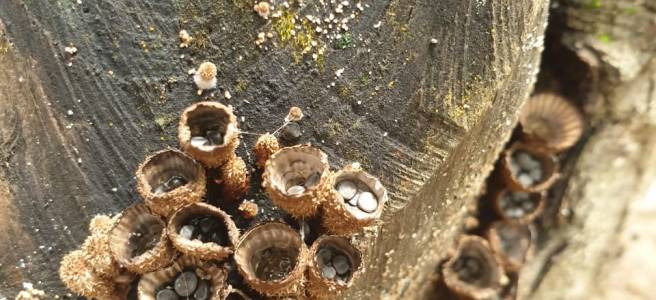
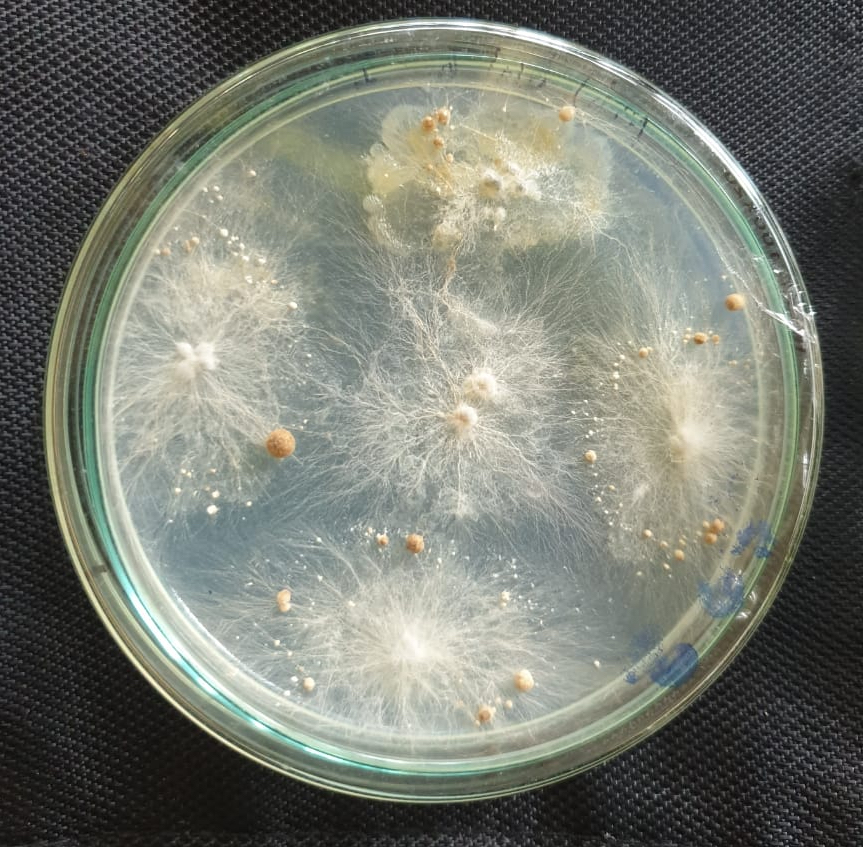
Eventually, the bird’s nest was forgotten since it wasn’t pertinent to the topic I was working on, which was edible mushrooms, and the bird’s nest mushroom is hardly edible. But later on, about a year later, this mushroom presented itself to me again, this time, in the garden of my university. And not just one nest, but a whole lot of fruiting bodies sitting on a cut-down tree stump! I was delighted. On this occasion, I did some research on the specific culturing techniques of it and managed to obtain a pure culture, finally!

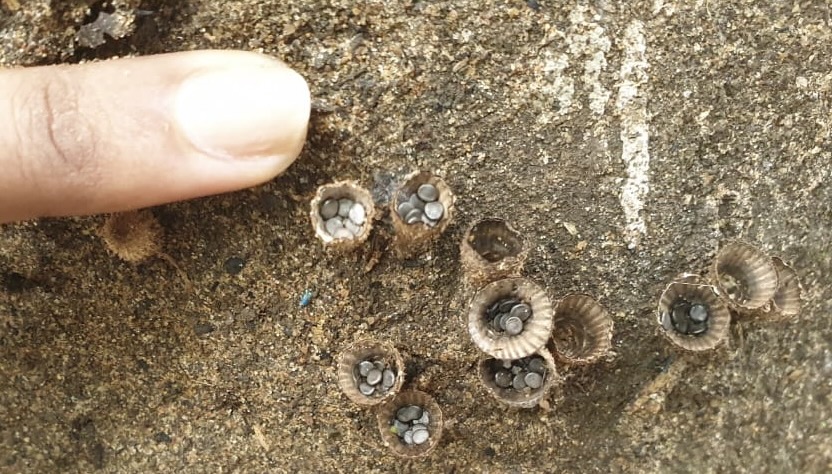
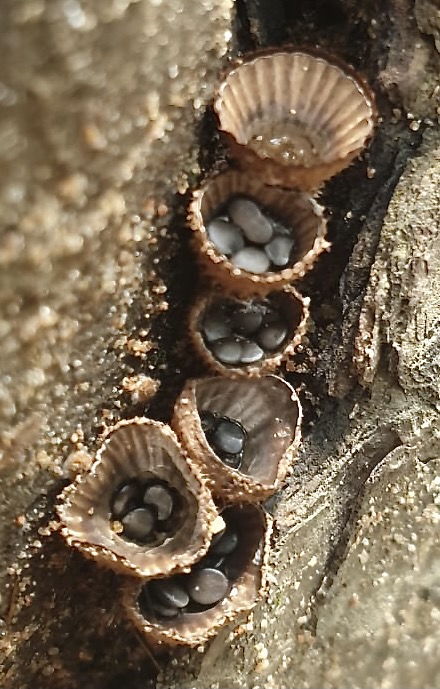
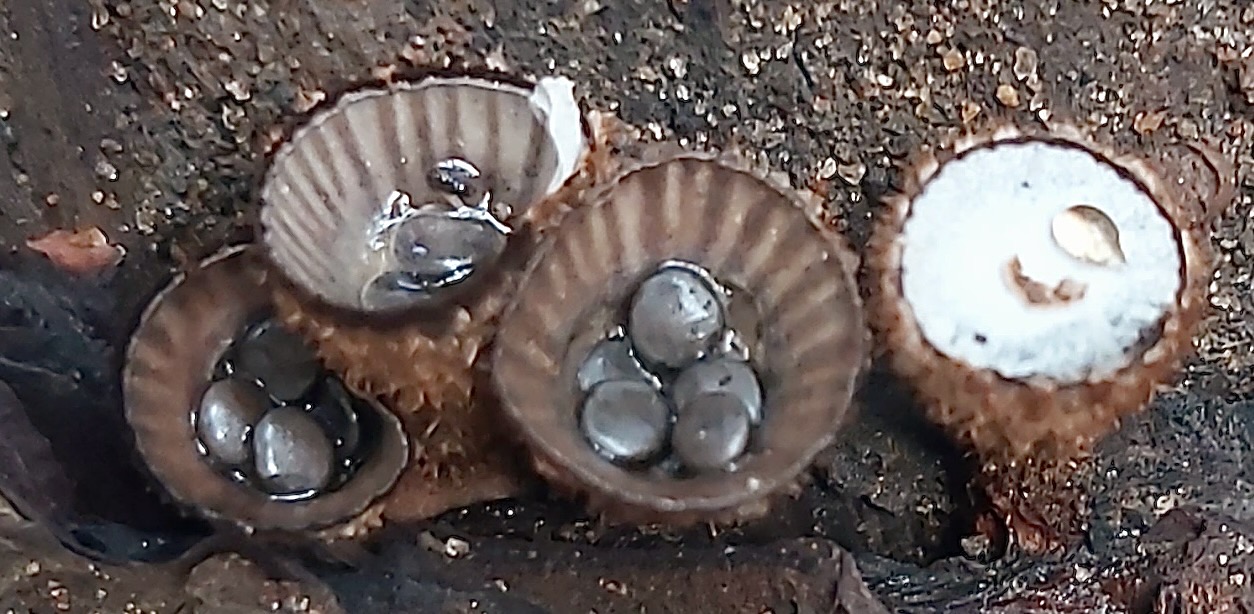
So apparently, to spot certain bird’s nests, treetops aren’t the best place to look for. Sometimes, in forest floors, on decaying wood or debris, inconspicuous mycological wonders lie utterly unnoticed. One such Basidiomycete group, which strays way off from the usual “cap and stipe” cliché of mushrooms, is the “Bird’s Nest Fungi”. “Bird’s nest fungi” is a catchall term for several species that are included within the family Nidulariaceae of the order Agaricales. The fruiting bodies of the genera Cyathus, Crucibulum, Mycocalia, Nidula and Nidularia are basically categorized under the bird’s nest fungi. Their curious and absurd form, which resembles tiny bird nests, makes them one of the most fascinating groups of fungi in nature.

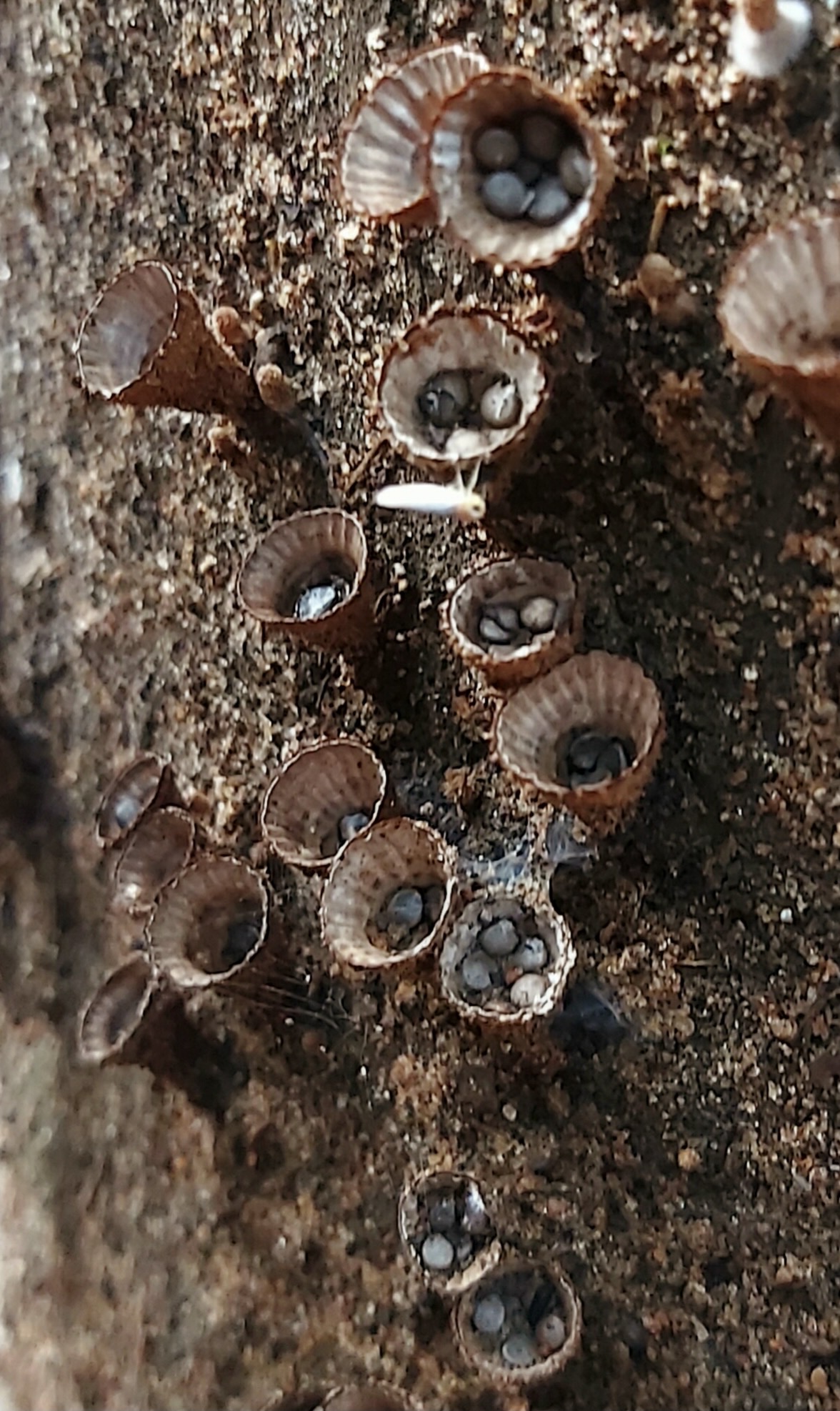
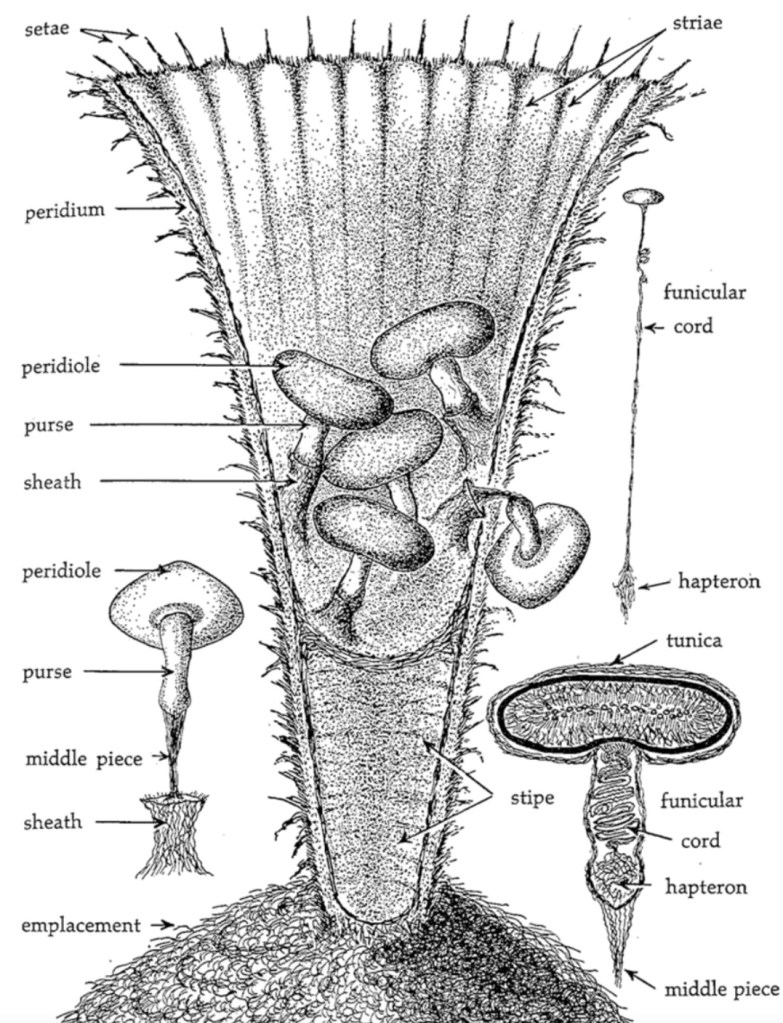
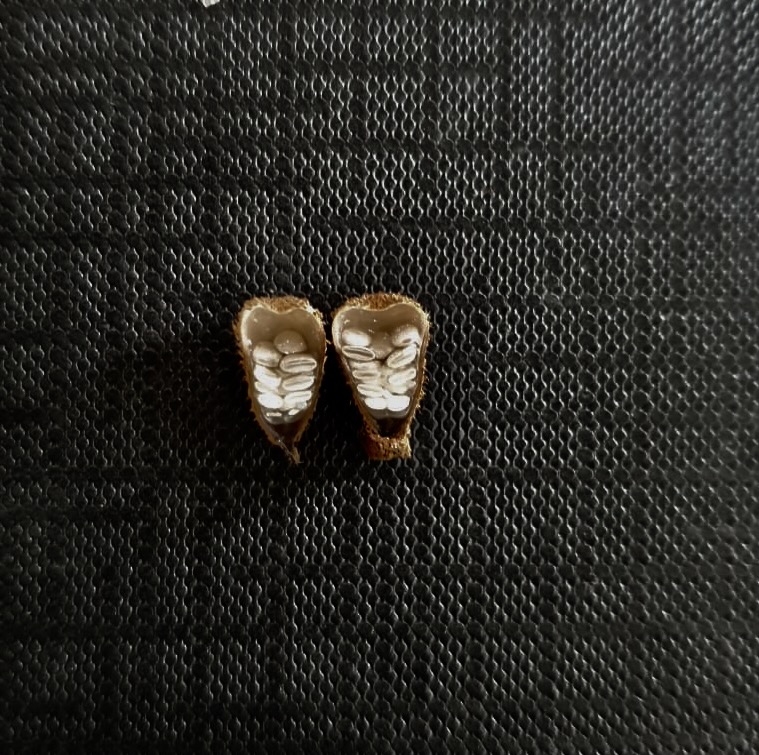
The cup/nest structure, termed as the ‘Peridium’, is usually around 1 cm tall and is sometimes shaggy outside (Eg: Cyathus, Nidula). A thin outer covering known as the ‘Epiphragm’ covers the peridium when young. These miniature versions of bird’s nests come with their own minute version of “eggs” referred to as ‘Peridioles’. These are the blackish-grey, egg/lentil-shaped structures that are stacked inside the nests. They carry basidiospores, the reproductive units of Basidiomycete fungi. Peridioles are connected to the peridium with the aid of a ‘Funicular cord’. This cord usually stays condensed within a ‘Purse’ located below each peridiole. The free end (the end that is not attached to the peridiole) of this cord forms an adhesive pad called the ‘Hapteron’ and joins with the inner peridium (please refer to the diagram to guide yourself through all these terms).

These minuscule bird’s nests are not just about the looks but in fact, they serve a functional purpose. Martin (1927) discussed for the first time how the peridium functions as a splash cup to disperse the peridioles out of the nest. When raindrops splash on the cup, the hydraulic pressure causes the peridioles to be dislodged from the peridium and just like that, they finally leave the nest! They are splashed out, all the while untangling the condensed 10 cm long tail behind them. Upon contact with a substrate (usually foliage), the funicular cord entangles with it while adhering the peridioles to the substrate through the sticky hapteron, where the basidiospores germinate.

Apart from being saptrotrophic fungal decomposers of nature, and being visually ingenious, they don’t hold much importance. However, certain scientific studies were able to uncover some potential uses for these fascinating bird’s nests. Some were found to possess rather important bioactive compounds that have medicinal and biocontrol properties. Many studies have revealed the ability of Cyathus spp. in controlling several soil-borne plant pathogenic fungi including Fusarium spp. and Pythium aphanidermatum through antagonism (antagonism is when a fungus interferes/oppresses the growth and activity of another pathogenic fungus). Bird’s nest fungi were also reported to be particularly effective degraders of lignocellulosic material, proving to be potential candidates for industrial use in the bio pulping and the animal feed industries.

Coming to the end of this account, I cannot help but reminisce these words of Lady Galadriel from The Lord of the Rings, which goes as “Even the smallest person can change the course of the future.” Well, that  clearly is the case for me, as these tiniest of the mushrooms definitely  have changed my perspective of how I view the grandeur of mother nature. That is simply why these exquisite mycological wonders are totally MyCuppaTea.

Reference texts:

Martin, G. (1927). Basidia and Spores of the Nidulariaceae. Mycologia, 19(5), pp.239-247.

Sethuraman, A., Akin, D., Eisele, J. and Eriksson, K. (1998). Effect of aromatic compounds on growth and ligninolytic enzyme production of two white rot fungi & Ceriporiopsis subvermispora; and Cyathus stercoreus;. Canadian Journal of Microbiology, 44(9), pp.872-885.

Sutthisa, W. (2018). Biological Control Properties of Cyathus spp. to Control Plant Disease Pathogens. Journal of Pure and Applied Microbiology, 12(4), pp.1755-1760.

Brodie, H. J. 1975. The bird’s nest fungi. Univ. Toronto Press. Toronto, Toronto, Ont. 199 p.

There are beautiful bright light bulbs glistening in my chili pepper tree

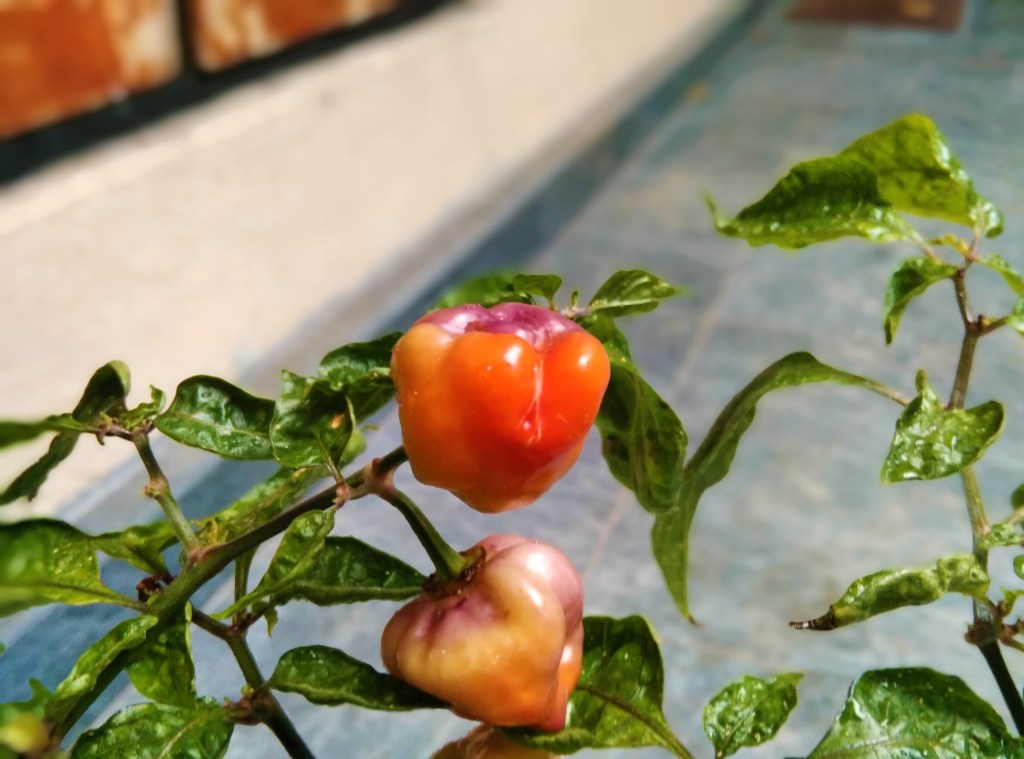
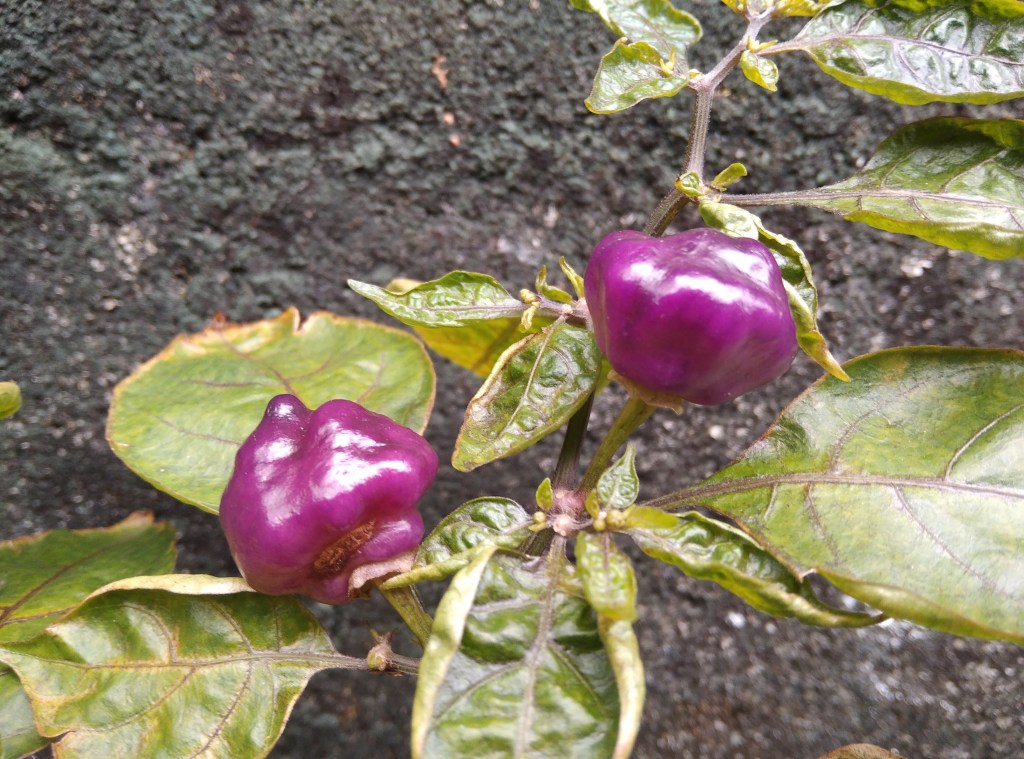
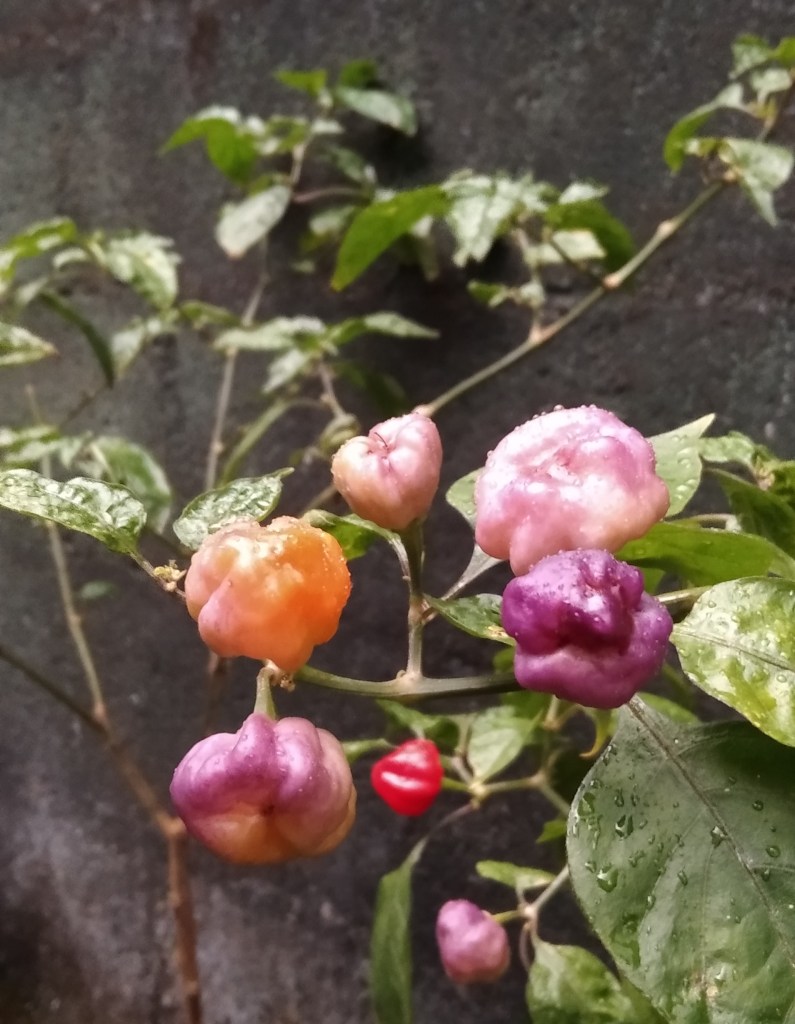
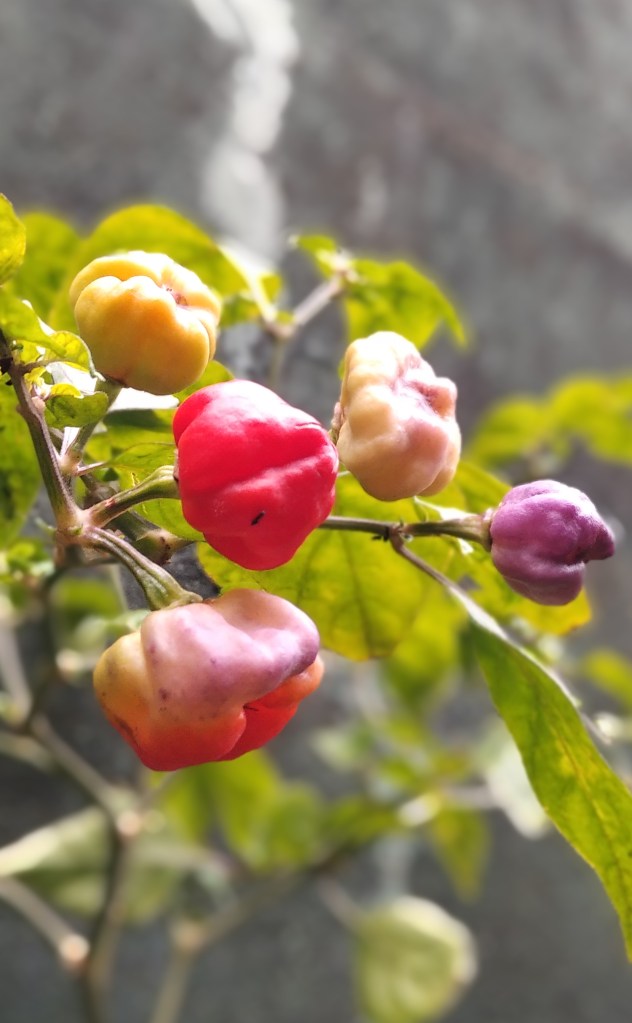
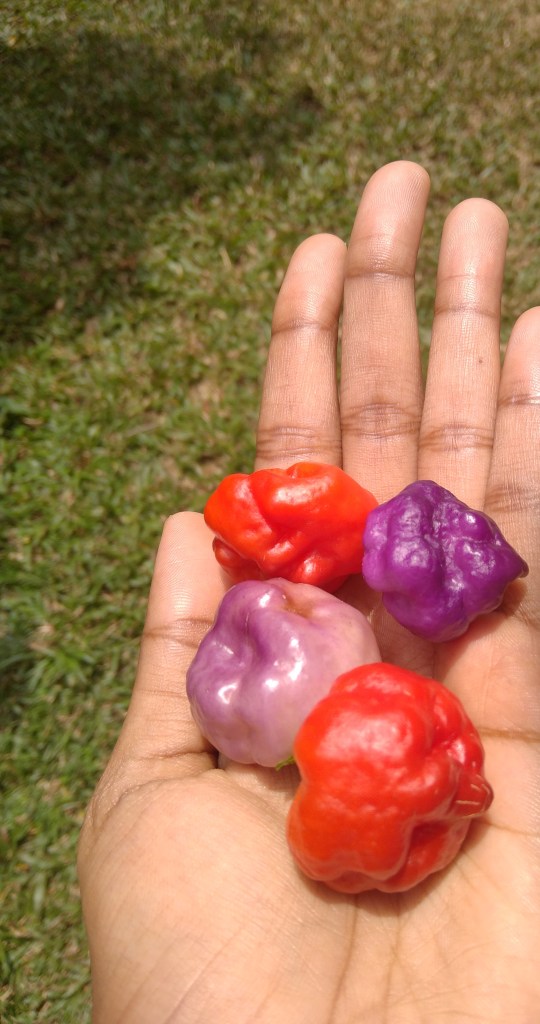
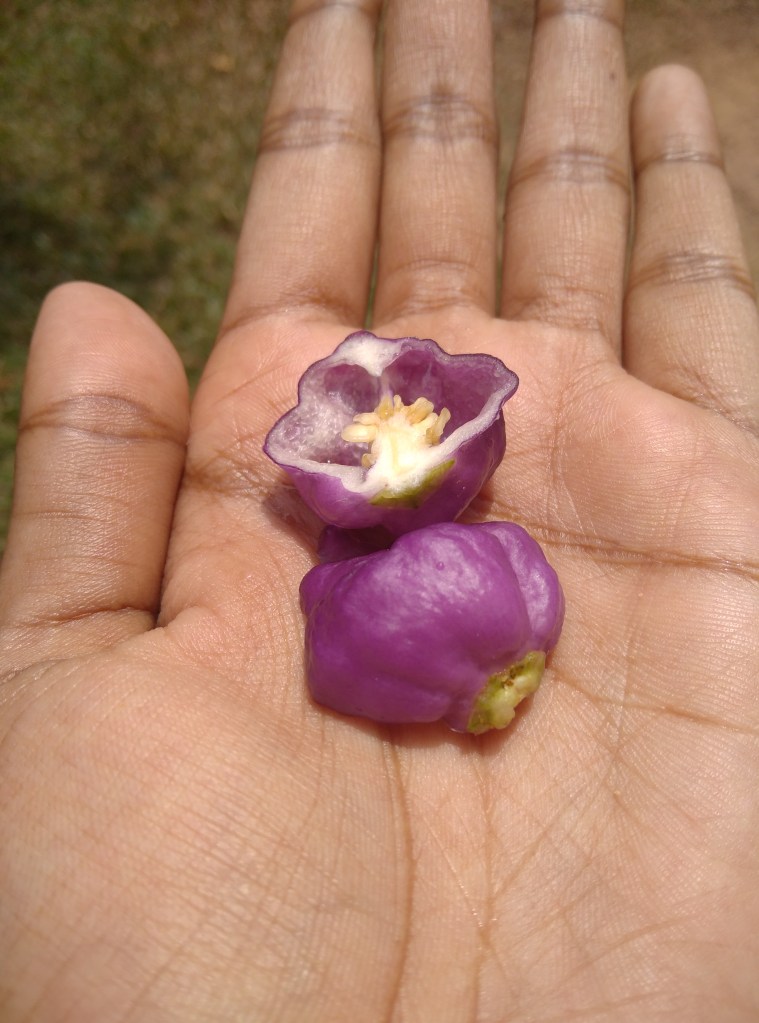
Chili pepper has always been either red or green coloured for me until very recently. Never have I ever thought I would be so mesmerized by a purple-colored chili pepper. This is a very bright glowing purple color that I’m talking about, a kind of purple that would make you want to write a blog post about.

So, this chance encounter with this pepper tree happened about a year ago when we were visiting an old friend of my mother’s. I distinctly remember stepping into their garden and instantly gasping with bewilderment at the sight of this pepper tree which sported glistening balls of peppers in a spectrum of colors, much like beautiful bright light bulbs lit from its branches. I have never known a chili tree could be this beautiful and immediately decided I wanted this happy sight in my garden as well. So I courteously asked for a pod from the garden owner, the wife of my mother’s friend, in hope of generating some brand new seedlings. She was kind of reluctant at first (she had to get her husband’s permission first as well since apparently, this was the only successful plant among the many purple chili plants they’ve tried to grow in their garden) but eventually gave me one ripe pod.

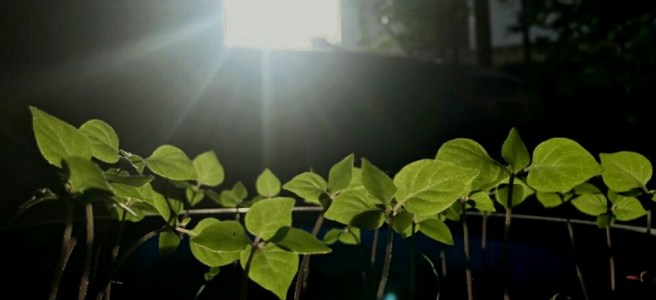
After drying the seeds inside this pod, I planted them on a tray and watched them germinate, grow into delicate seedlings, then sprout leaves one by one. Observing this development became my daily obsession and also my peace of mind since watching things grow always gives me an unexplainable form of satisfaction. Eventually, they became old enough to be transferred into their new pots and at the end of the transfer, I had 37 potted chili pepper seedlings. But sadly not all of them survived their journey into maturity. In the face of unfortunate whitefly infestations, wilting and harassment from my pet puppy (he thought these pots are ideal potty spots and that the seedlings are his chew toys), 12 of them went on to flower and fruit, that too was not without difficulty. I used to check leaf by leaf for potential threats from whiteflies and aphids until the leaves became too numerous for me to manage by handpicking. Jetting water out of a spray bottle worked well on expelling the whiteflies and a soap solution worked on the notorious aphids like a charm. I was completely over the moon when little purple flowers popped up in the trees and the actual magic happened when they turned into fruits! My little mission was a success and I now have 12 purple chili pepper plants that are perfectly lit with colorful chilies in my garden that I care for like absolute treasures. The above garden owner’s fear of parting with even one of her pods was very well justified considering the amount of effort I had to put into bringing these pepper plants to life.

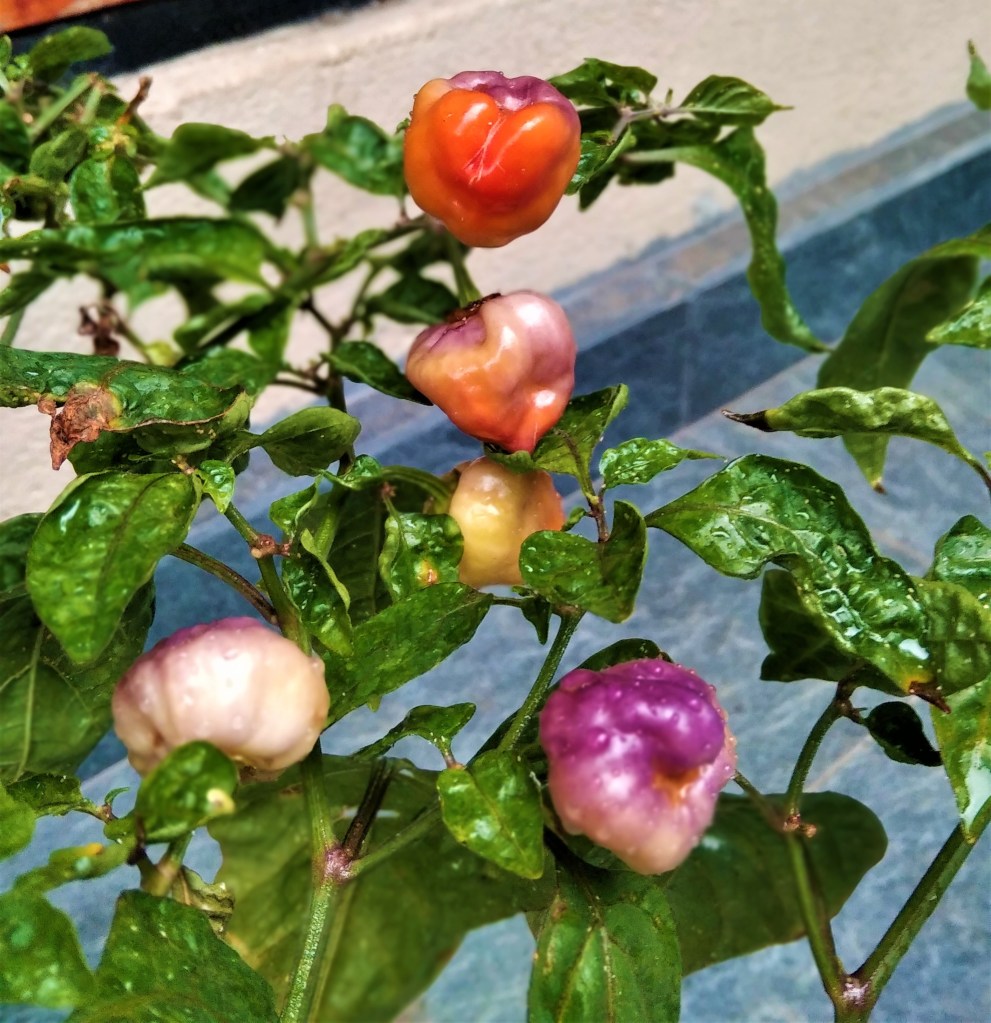
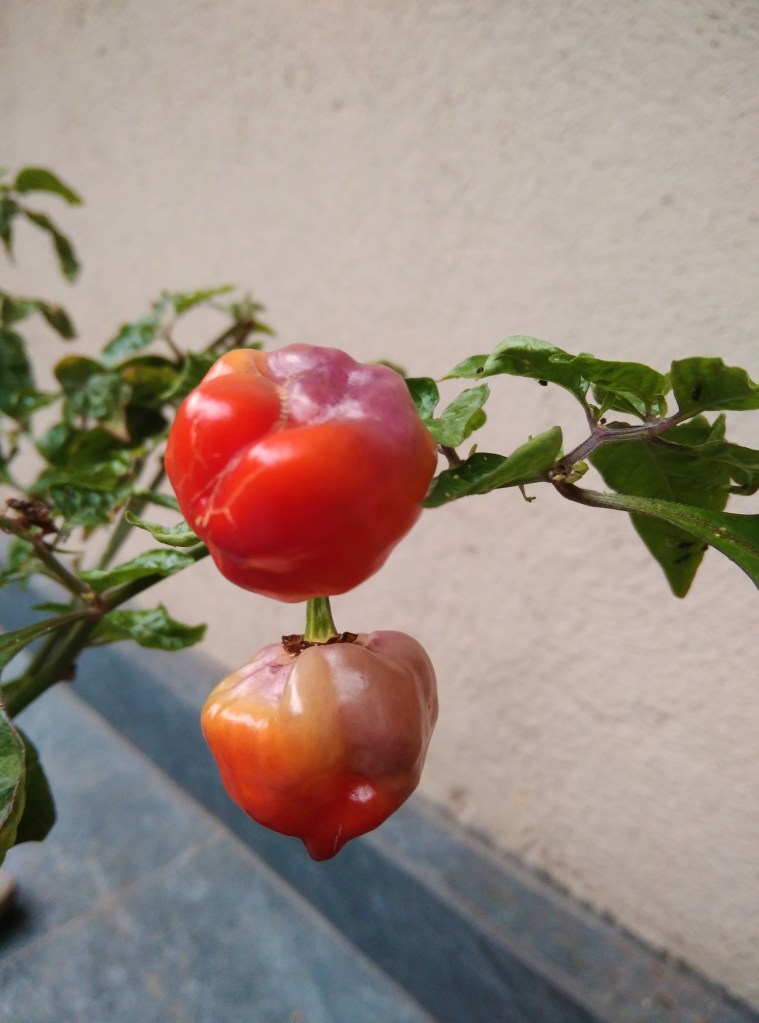
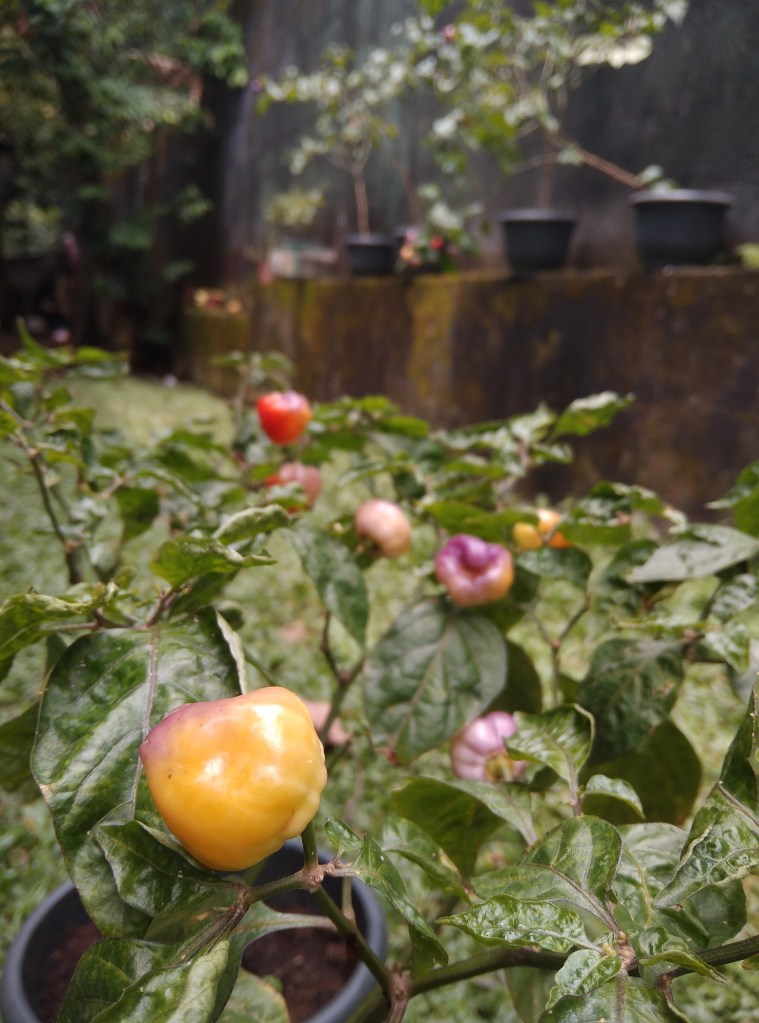
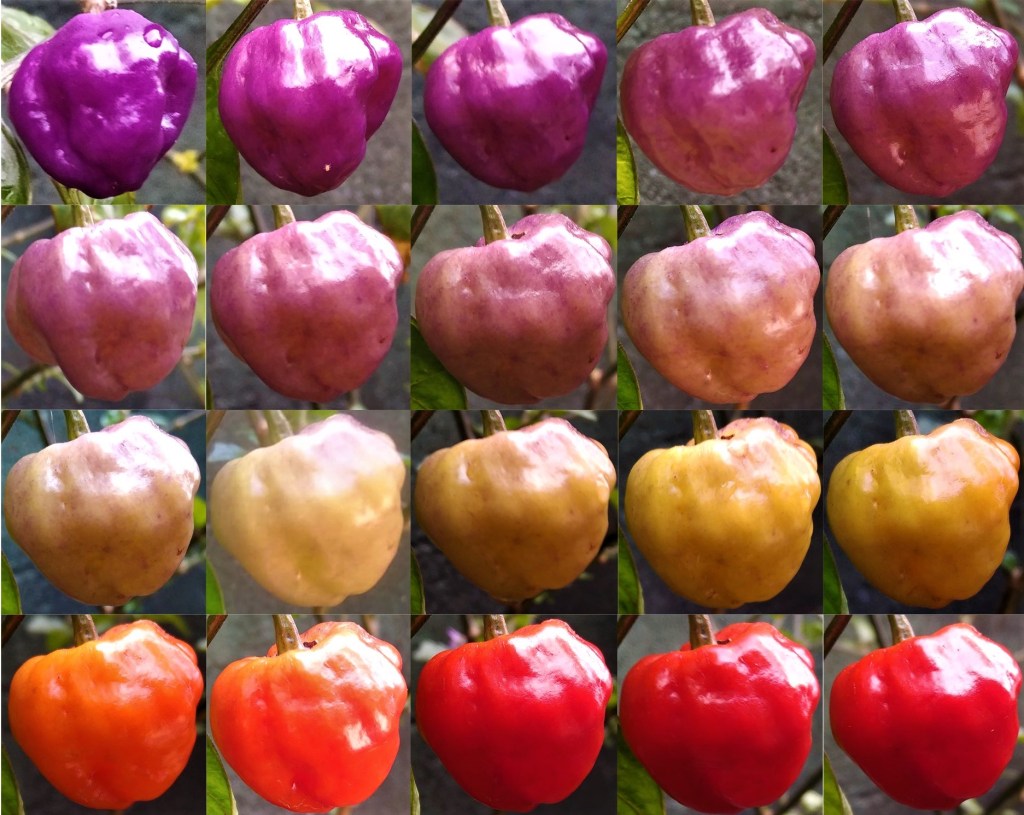
Although I don’t know the exact name of the breed, this chili pepper is a purple variety of “nai miris” (Capsicum fruescens) and it has to be an ornamental hybrid pepper breed (given their awesome colors) as opposed to its green “nai miris” counterparts. When the pods mature, the shift in colors from bright beautiful purple to pink to white to yellow to orange to an unbelievable bright crimson to ultimately bright scarlet was delightful. Imagine all of these colors displayed simultaneously in one plant and it’s nothing short of a vista from a fairytale. The pepper did actually taste hot (much like the green nai miris) and I used my first harvest to make garlic-pepper bread which tasted awesome.

The shift in colors from bright beautiful purple to pink to white to yellow to orange to an unbelievable bright crimson captured in a course of twenty consecutive days.

Caring for these plants had been an absolute pleasure for me for the past few months and watching the humble seeds from just one pod growing into majestic trees is truly wondrous and is a constant reminder of nature’s magic in action. The satisfaction of witnessing the life story of a plant always makes my heart happy and that’s why this purple chili pepper episode is totally MYCUPPATEA!

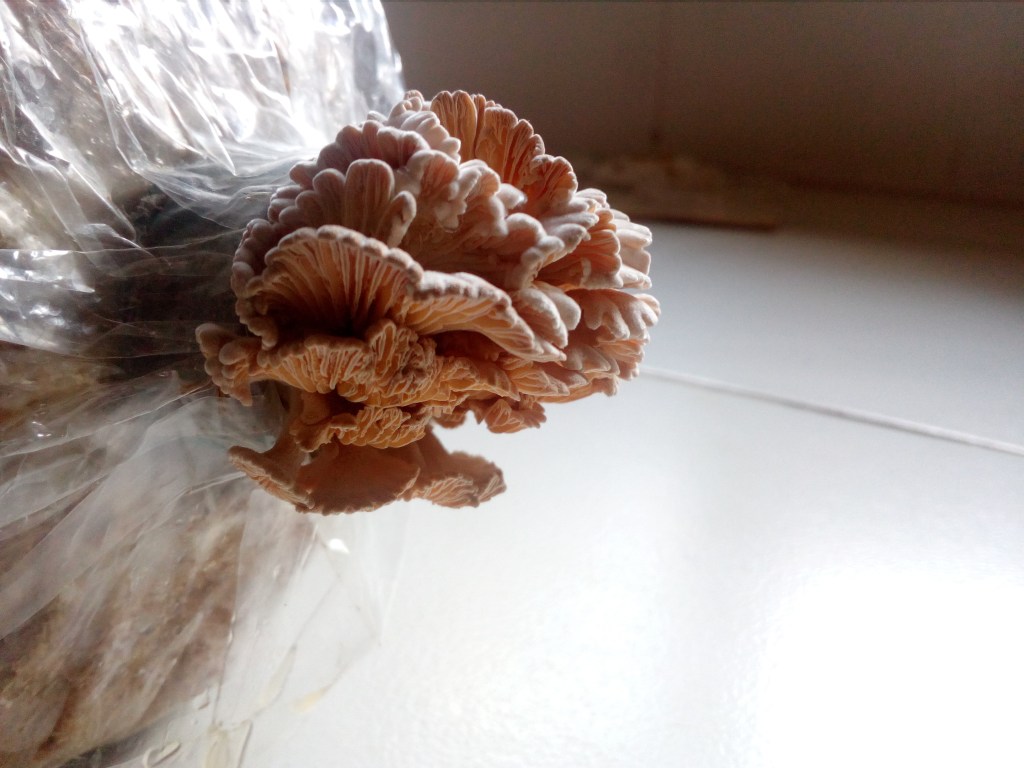
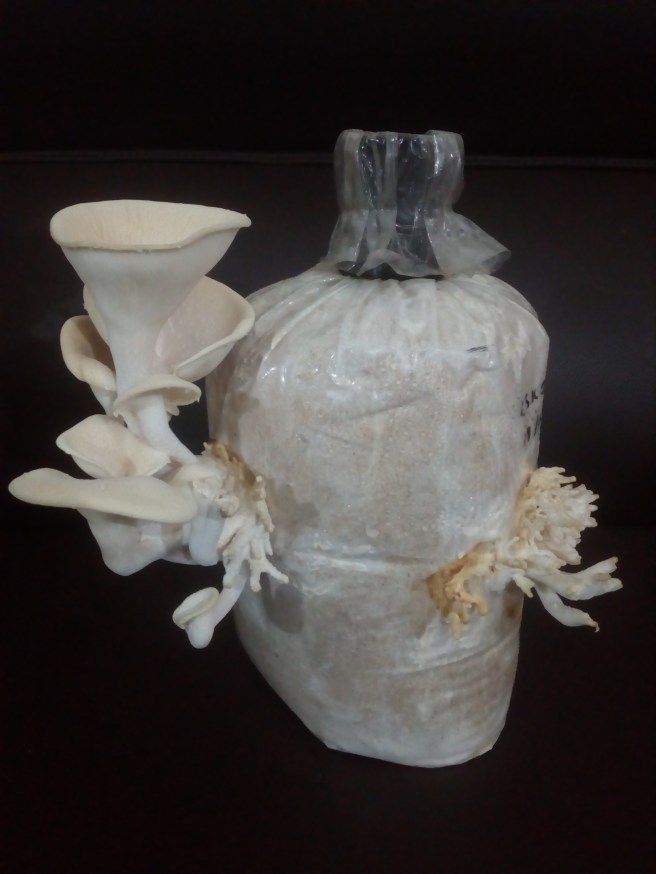
Domesticating shroom goodness from the wild – a mushroom’s journey from the forest to the market!


After my life got entangled with the world of fungi, I gradually started to view these intricate organisms in a very different light. Fungi create an interesting bond between LIFE and DEATH. It almost feels spiritual! But the embodied truth here is unequivocal. As glorious as life may be, without these decisive links in nature, the oh-so-important life won’t find its way back to decay, and nor will new life emerge over their sacrifice. Mushrooms are a part of this regenerative fungal department in nature if not the most important.

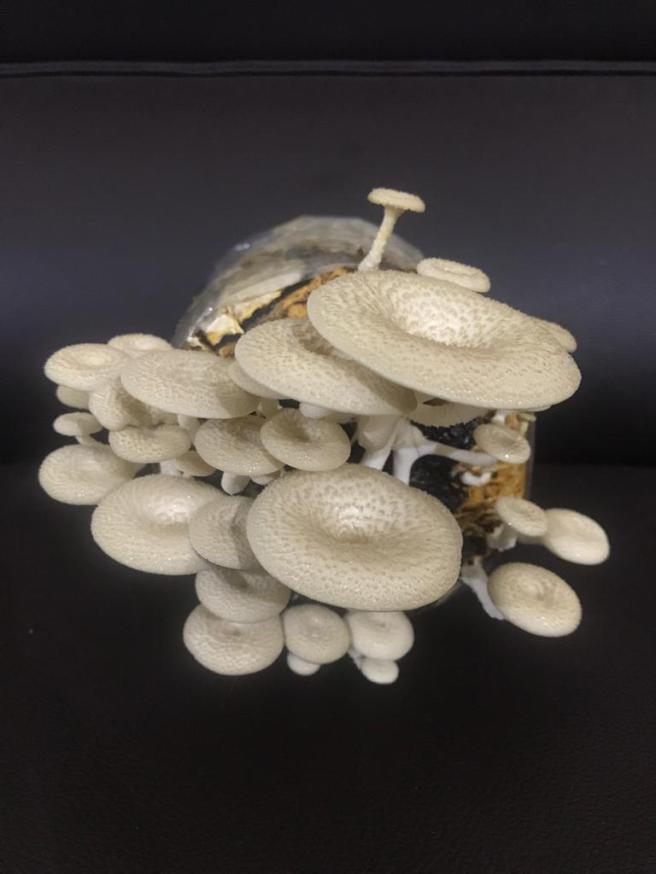
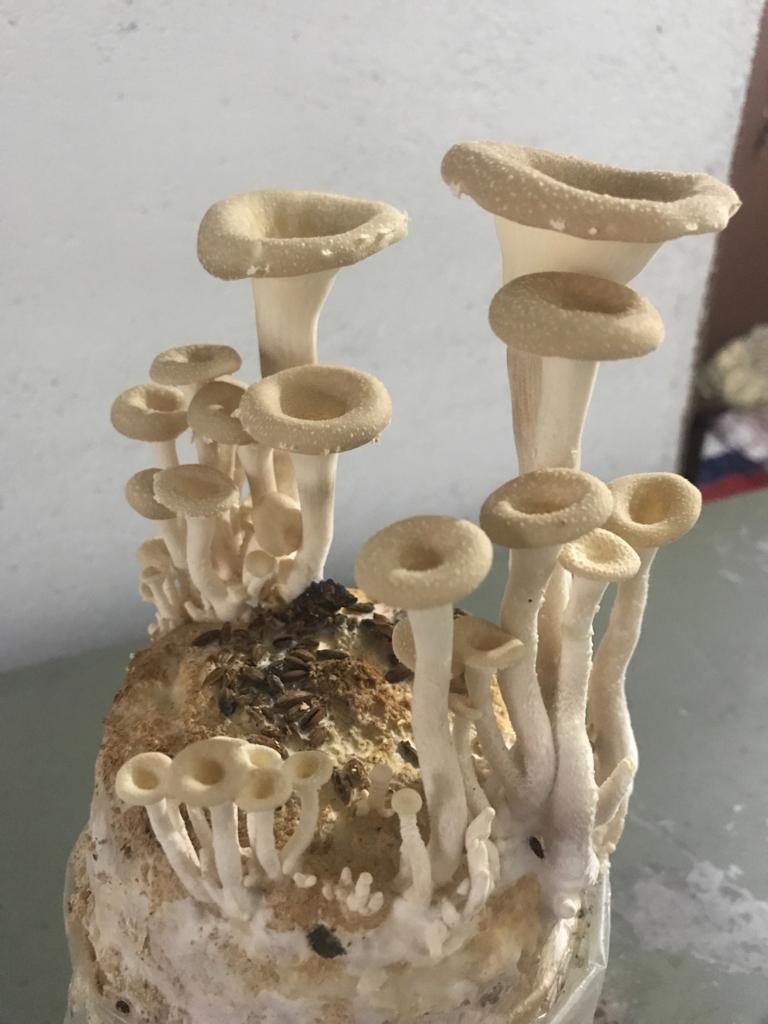
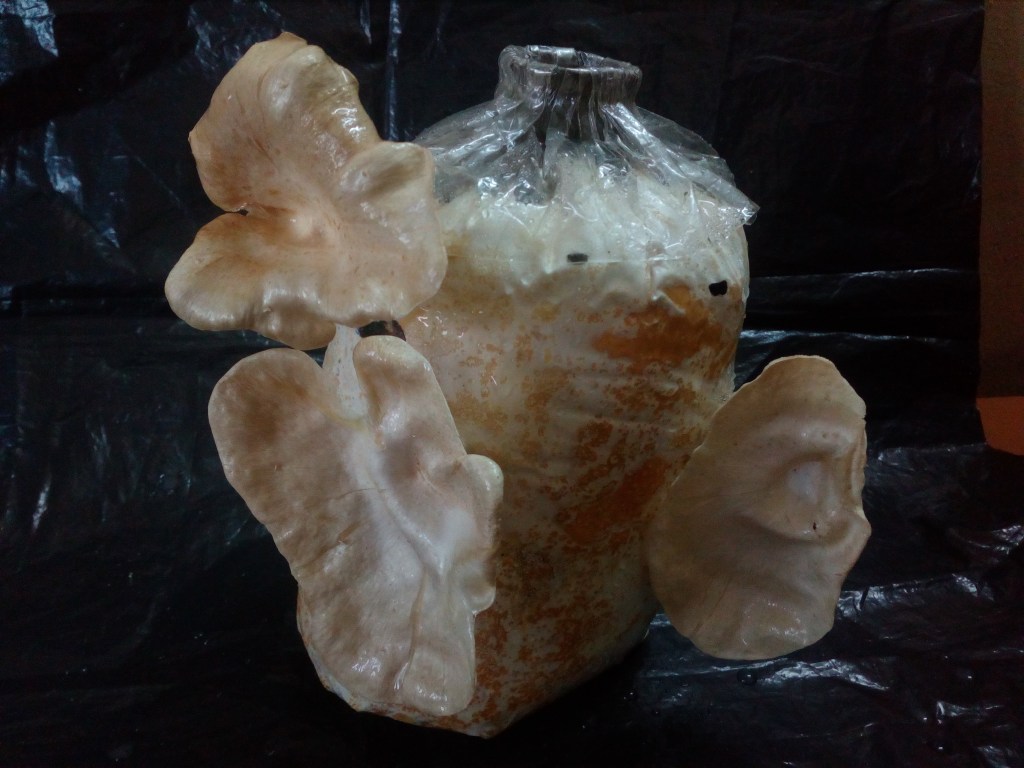
Up until I studied “Basidiomycota” for my advanced level biology and learned in detail about the crisscross of the mycelium and its complex biology, a mushroom for me was just a pretty highlight in nature. I’ve never felt so connected with its magic until I started my undergraduate research project which had me surrounded by them (literally) almost every hour of every day. Generally, we can say that mushrooms call the wilderness their home, but precisely, they grow on any organic matter that is dead or decaying (saprotrophic is the scientific term). My objective for the research was to try and see if they could be grown on an artificial alternative substrate (away from their natural habitats). I tried this with four selected wild mushrooms (some of which I collected from my home garden) and fortunately, they all worked and the attempt was a success!

So what is the need for domesticating mushrooms from the wild? It’s simply because we consume them; and why not?As a source of food, mushrooms maintain an irrefutable reputation for being highly nutritious, protein-rich and uniquely delicious. Also, with their rich antioxidant nature and the presence of many health-promoting compounds, mushrooms are a panacea for a wide range of disease conditions. May it be for food or medicinal purposes it’s always a wise choice to have them nearby in cultivation (thereby in the supermarket) rather than having to go foraging every time you feel like having mushroom soup!

My country, Sri Lanka, is extremely rich in biodiversity and the biodiversity of edible mushrooms here is no exception. Unfortunately, this valuable knowledge is pretty much hidden within the indigenous communities or village communities of the country. We have lots of delicious edible varieties but a majority of the people have very limited access to this goodness. Only a handful of well-commercialized varieties make the cut into our everyday diets. So, this is where “mushroom cultivation” comes into play. This is how we can avail ourselves of this knowledge and reap the benefits off of these delicious mushrooms by trying to commercialize them through domestication.

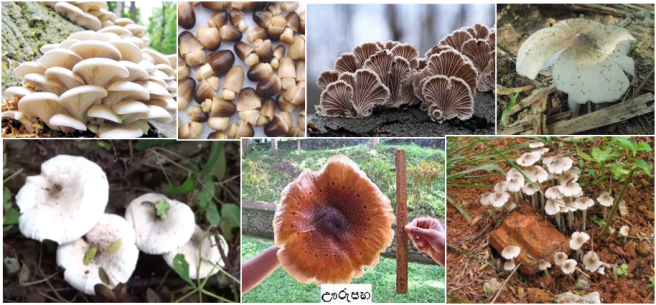
Few common edible varieties from the Sri Lankan wild. Going clockwise: Oyster mushroom (Pleurotus ostreatus.), Paddy straw mushroom " Piduru Hathu" (Volvariella volvaceae), Split gill mushroom "Lena Hathu" (Schizophyllum commune), "Maha veli Hathu" (Termitomyces alwisii), 'Heenveli Hathu" (Termitomyces microcarpus), Pig ear mushroom "Urupaha" (Pleurotus giganteus), "Indalolu" (Termitomyces rajap )
Few common edible mushroom varieties from the Sri Lankan wild. Going clockwise: Oyster mushroom (Pleurotus ostreatus.), Paddy straw mushroom ” Piduru Hathu” (Volvariella volvaceae), Split gill mushroom “Lena Hathu” (Schizophyllum commune), “Maha veli Hathu” (Termitomyces alwisii), ‘Heenveli Hathu” (Termitomyces microcarpus), Pig ear mushroom “Urupaha” (Pleurotus giganteus), “Indalolu” (Termitomyces rajap ) [I do not own the photos]

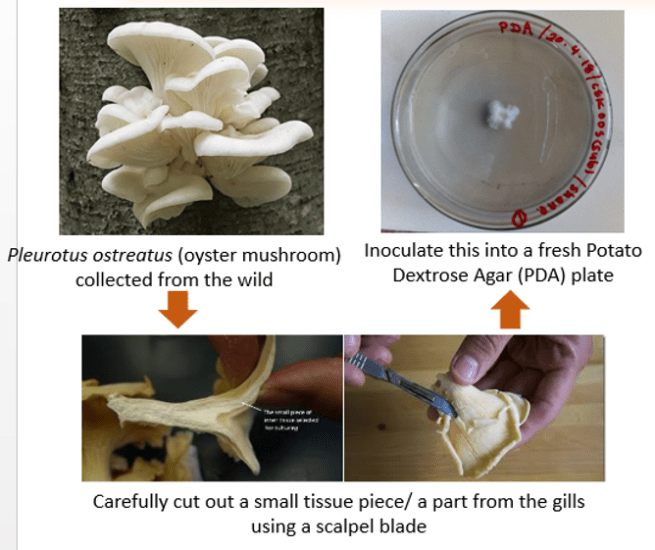
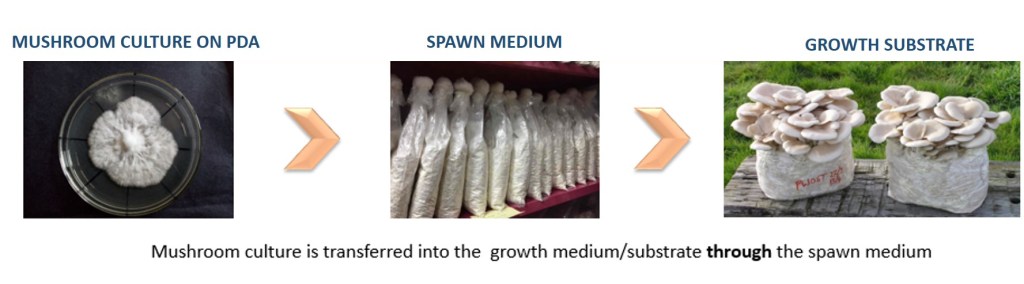
If we skim through the cultivation process, the first thing to be done is to collect a known edible mushroom from the wild and to culture it in an artificial growth medium (A general purpose medium to culture any fungus is Potato Dextrose Agar) to establish a pure mushroom culture. The next important step would be to find an optimum spawn medium on which this mushroom strain can be grown successfully. “Spawn” is an intermediate nutritious substrate (like grains, straw, sawdust and paper) on which our isolated mushroom strain can be grown. After the particles of this spawn medium (Eg: grains) are fully colonized by the mycelium, this medium can be used as a middle man to transfer our mushroom culture into the main growth substrate. Spawn is also rightfully known as “mushroom seeds” as it is through this that the mushroom mycelium is newly propagated into a new medium, just like how seeds do for plants.

The next crucial step is to optimize a suitable growth medium/substrate that can generate the highest yield of mushrooms from the lowest amount of substrates for our selected shroom strain. Different kinds of organic lignocellulose-rich waste matter generated through agricultural practices (Eg: saw dust, rice hull, corn cobs, paddy straw, wood chips, coir) can be effectively utilized in Sri Lanka as growth substrates for mushroom cultivation. It is also imperative that the domesticated mushroom is accurately identified up to the strain level using genetic methods (this is called DNA barcoding) before commercializing and introducing it to the market, to ensure good manufacturing practices.

But it is unwise to commercialize a domesticated mushroom just because it’s edible or because it can be optimally cultivated. First, it must be ensured that the flavor, texture, and the other organoleptic properties of it are appealing to the general public. Sometimes a slight shift in the nature of the mushroom diet may throw the consumers off.  If the mushroom is delicious, edible and all is well, next it can be progressed onto pitot scale small test cultivations and scale up from there gradually before entering into fully-fledged large scale cultivation of the newly domesticated mushroom variety.

At the end of the day, a once hidden, delicious mushroom from the wild that was previously unknown to the world could be rightfully exposed to the consumers through this process, which I can assure you is fun depending on how far you are in the process of being a MYCOPHILE! Ultimately, a once-hidden delicious wild mushroom would have successfully journeyed from the forest to the market. With lots of its hidden wonders, the mycelial world and the fabulous shrooms in it are always MyCuppaTea!