The  greatest agony
The fearful falconry
having, belonging
Chat with the pain
ahead with the vain
but the felicity brings its limited edition
Grab the authority
Dream Kishontly
Unrevealed

a potpourri of thoughts
The greatest agony
The fearful falconry
having, belonging
Chat with the pain
ahead with the vain
but the felicity brings its limited edition
Grab the authority
Dream Kishontly
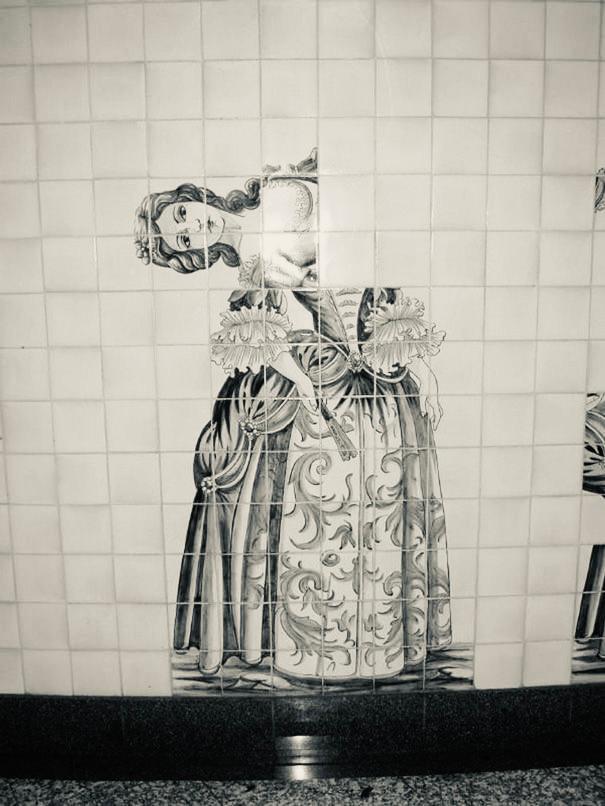
Too much fun
This ain’t right
Assure me
Tolerate me
This soul is made of love
Unable to represent
Willing to constitute
So much care
And that ain’t right
Genetics they are
Please be obsessed
Force the key steps
hit it, knock it
Seek timing
for every single count
End this November
Close this chapter
These ain’t right
Ain’t right with the
wrong person.
~ Ima ~
The poem explores the theme of the rhythm of OCD (obsessive-compulsive disorder) through a series of fragmented thoughts and emotions. The poet expresses a sense of imbalance and dissatisfaction, claiming that too much fun feels wrong and seeking assurance and tolerance from others. They acknowledge their soul is filled with love but feel unable to represent themselves fully. Despite their caring nature, they believe something is inherently wrong. They mention genetics, perhaps alluding to a possible biological or hereditary component of OCD. The poet asks to be obsessed and urges themselves to forcefully follow certain steps or rituals. They use phrases like “hit it, knock it” to emphasize the need for precise actions. They seek a specific timing and rhythm, counting every beat, possibly reflecting the compulsive nature of OCD. The poem concludes with a desire for closure, aiming to end a chapter, symbolically represented by November. The poet suggests that the current situation or relationship feels wrong and emphasizes the mismatch with the wrong person. In summary, the poem delves into the experience of OCD, highlighting its disruptive impact on the poet’s thoughts and emotions. It conveys a sense of longing for balance, understanding, and resolution within the context of this mental health condition.
-Ima-
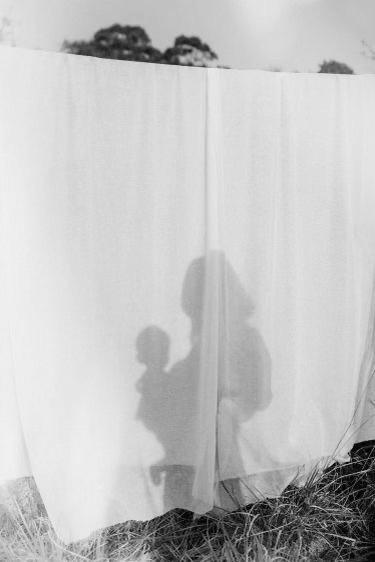
 Thought I never loved lullabies
Even when they are singing for the kids.
Now I know that I need them for myself
21 and no one’s willing
A little hope
For my life ahead
I feel it for
those who cherish
I wish and I’ve begged
Wrote some songs
Wrong time right person
Right time wrong person
It’s a treason
Wanna be a baby
Oh I wanna be my momma’s baby
As she would sing ‘em
Undoubtedly.

-Ima-
This poem explores the speaker’s evolving perception of lullabies and their longing for comfort and nurturing. The speaker initially dismisses lullabies as something only meant for children but soon realizes their own need for solace and reassurance. At the age of 21, the speaker feels a lack of support and hopes for a brighter future. They empathize with those who cherish lullabies and express a desire to experience the innocence and unconditional love associated with being a baby. The poem touches on the conflicting dynamics of timing and compatibility in relationships, highlighting the feelings of betrayal and longing that can arise. Ultimately, the speaker yearns for the warmth and security that a lullaby, particularly one sung by their mother, can provide
– Ima –
I
Just a thought……
A lullaby is defined traditionally and more realistically as a song sung by a mother to soothe a crying child. Could a lullaby, in a not-so-much-traditional sense, be defined as an acoustically pleasant sequence of sounds (can be quite subjective in my opinion), any sound, that possesses a certain quality that is somehow capable of taking your worries away in an instance, puts you in a better mood, calms you down, uplifts you from the depths of depression, liberates you from the clutches of anxiety. Could simply be, in all agreement, the sound of your mother’s voice or your father’s; or could it be the voice of any loved one comforting you at the right time in the right way, your dog’s own specific playful whine, the sound of a piano tune, a strong patter of rain outside the window in a stormy night, the therapeutic purrs of your feline companion? In acceptance of my definition, can we, even as beaten-down adults, somehow be included in this category of “children” who are in need of a maternal touch, as we discover new avenues in life? I in particular, as an immature child trapped in an adult body, wouldn’t at any cost, dismiss the lulling, soothing words of my dear mother (quite the contrary of melodious in my case) in times when that single voice is all I need to hear. Anyhow, I would like to consider us all “children” of some sort, no matter how old we get, in need of our very own specific form of “lullaby” during any given phase of this crazy ride of life. [shane]
 MyCuppaTea